
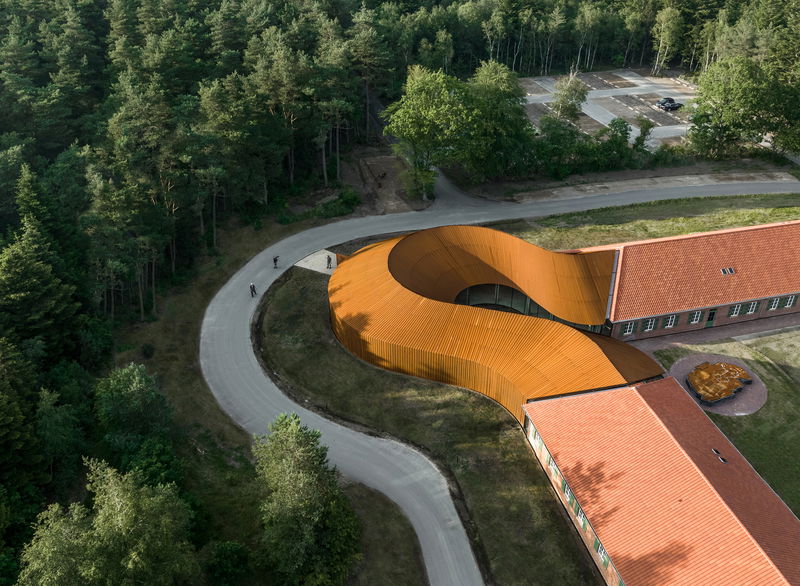

Refugee Museum of Denmark
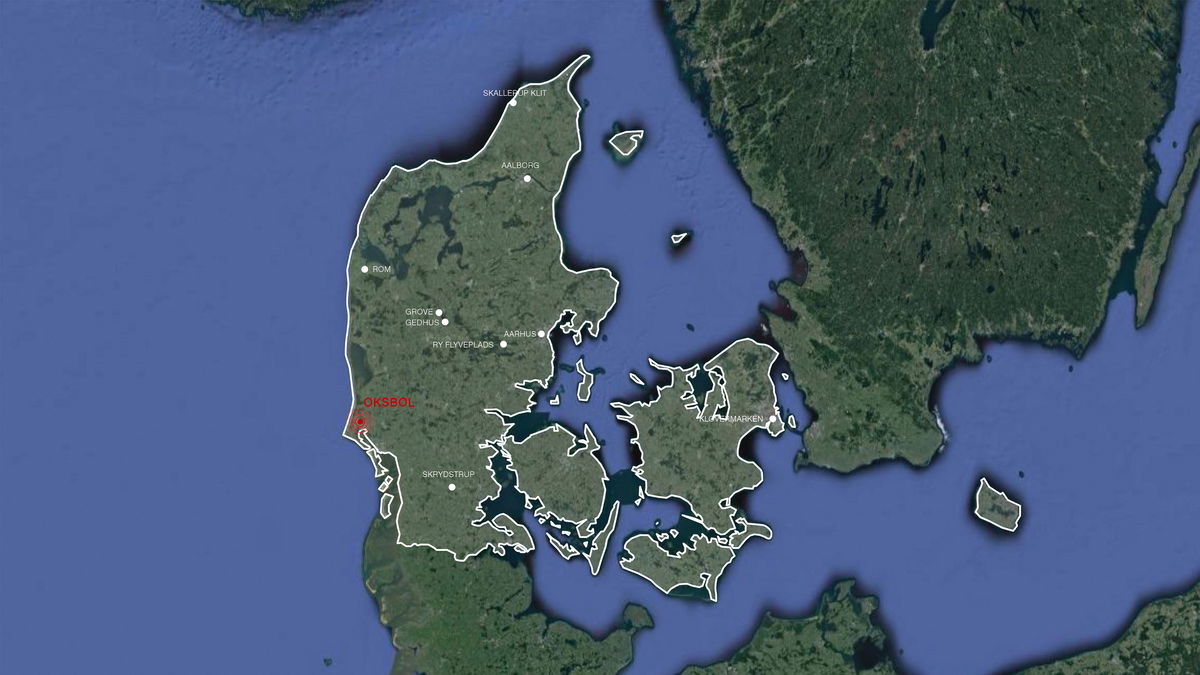
Oksbøl, Denmark
Client
Varde Museum
Typology
Culture
Size m2/ft2
2,123 / 22,852
Status
Completed
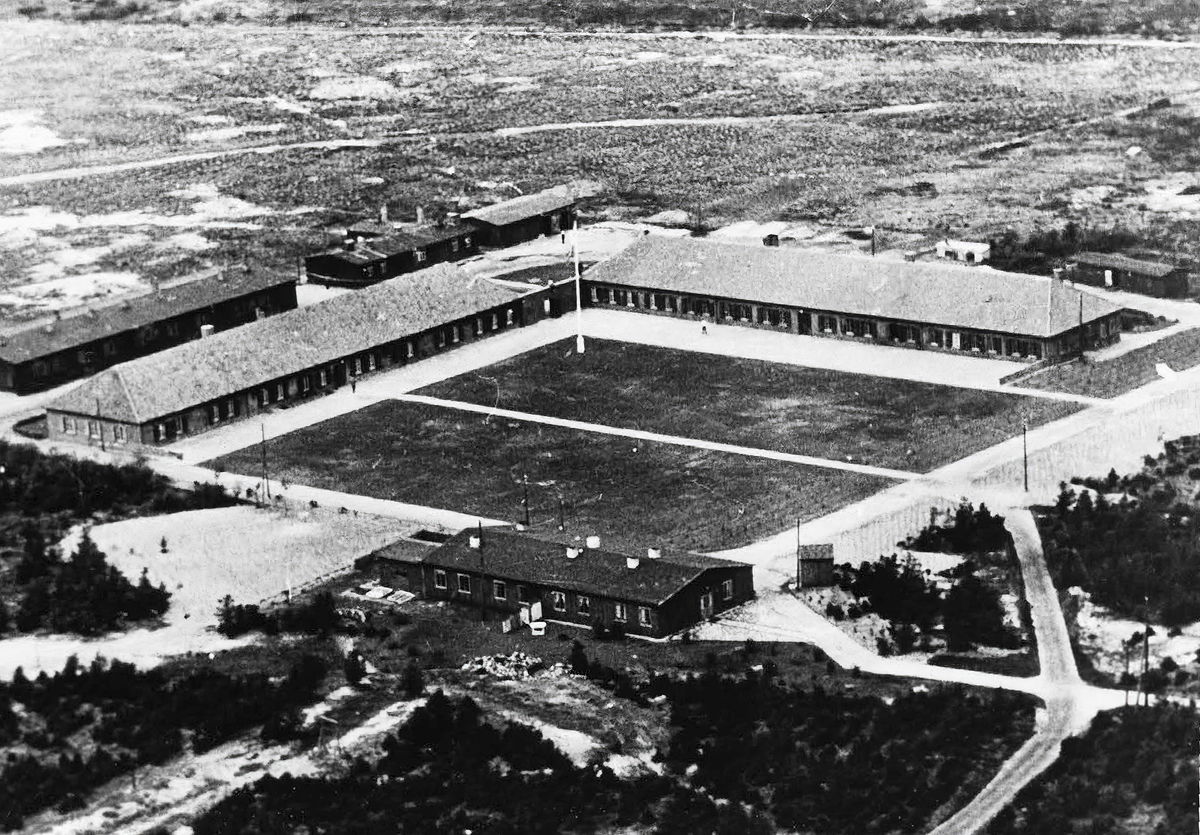

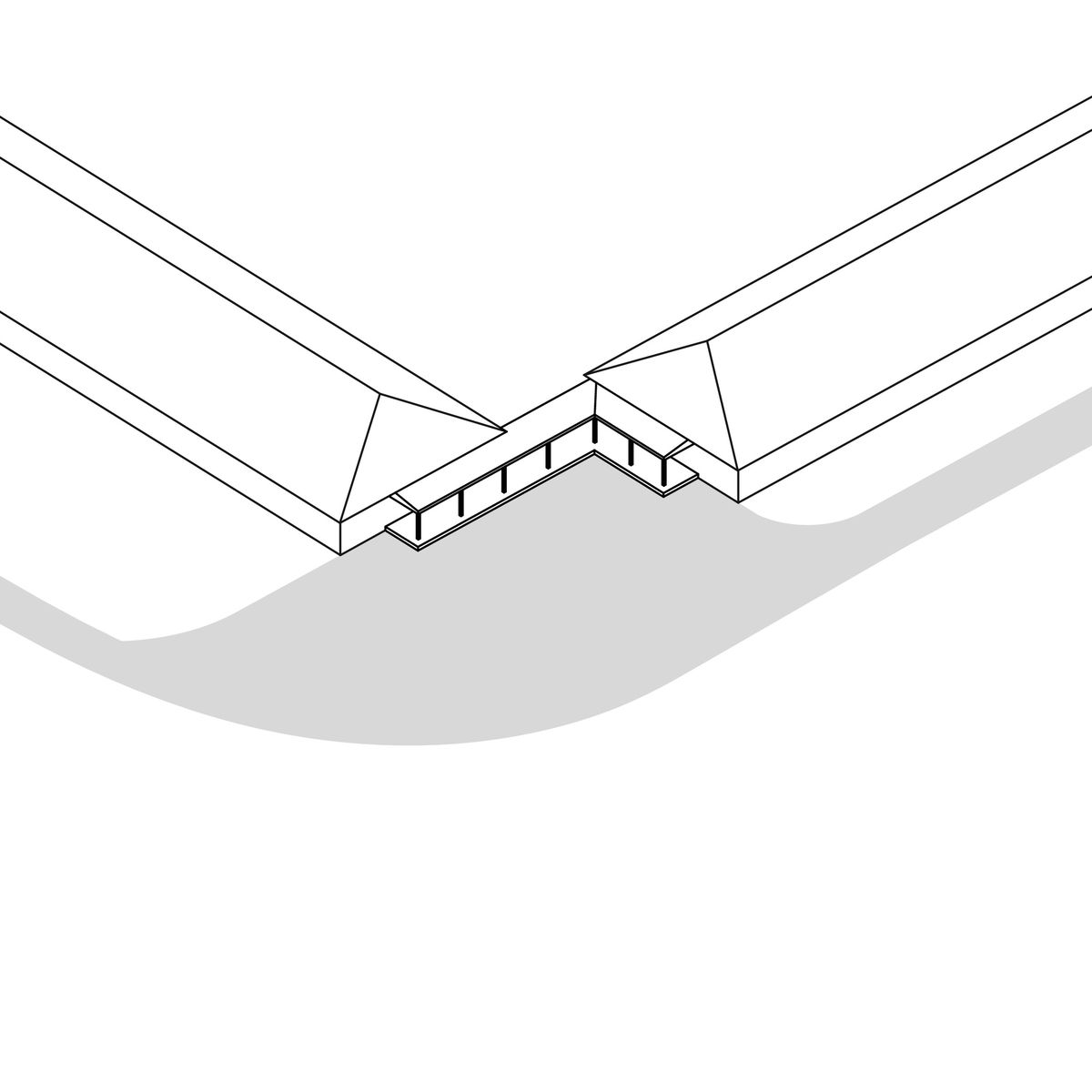
— The hospital buildings of the refugee camp were connected by a covered outdoor walkway.
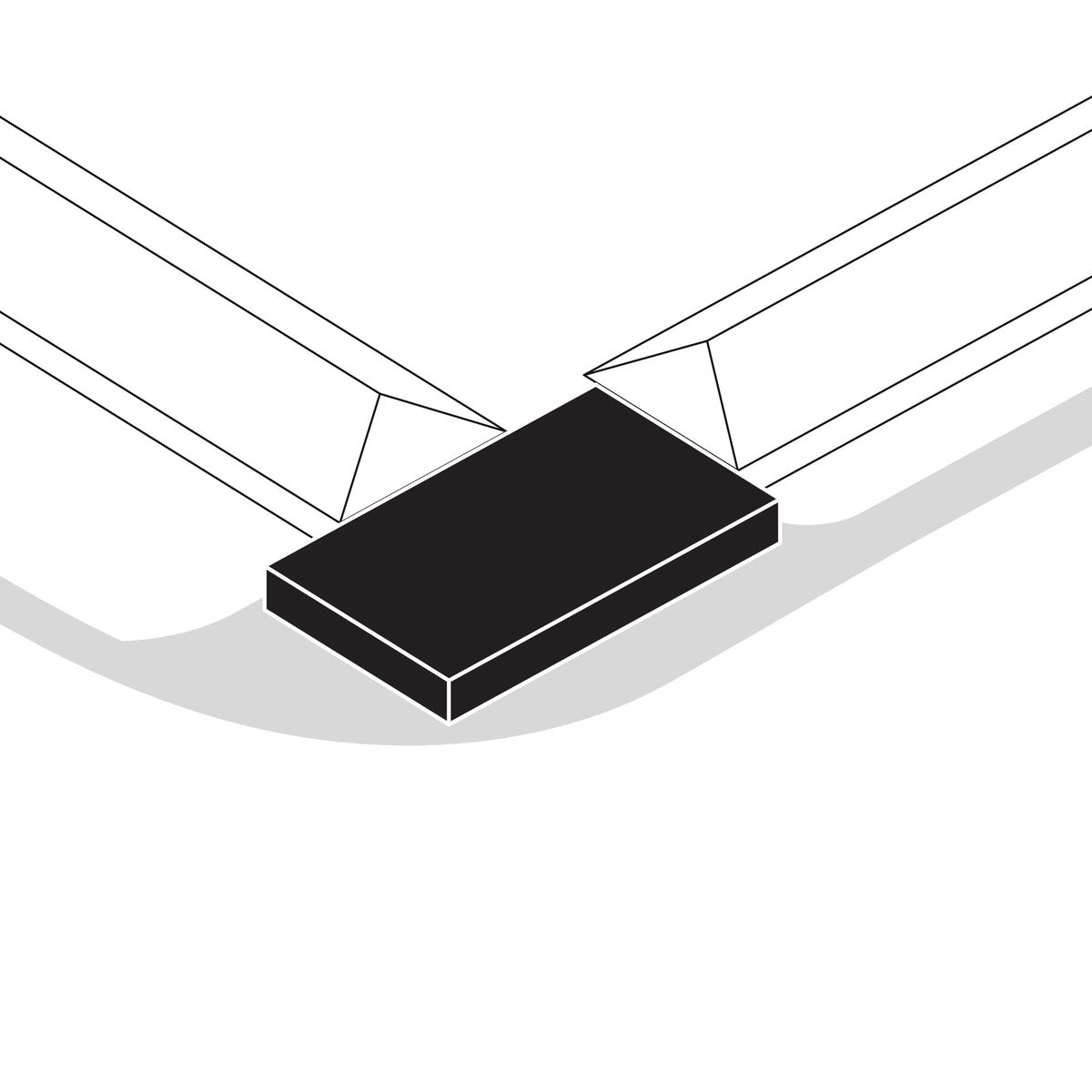
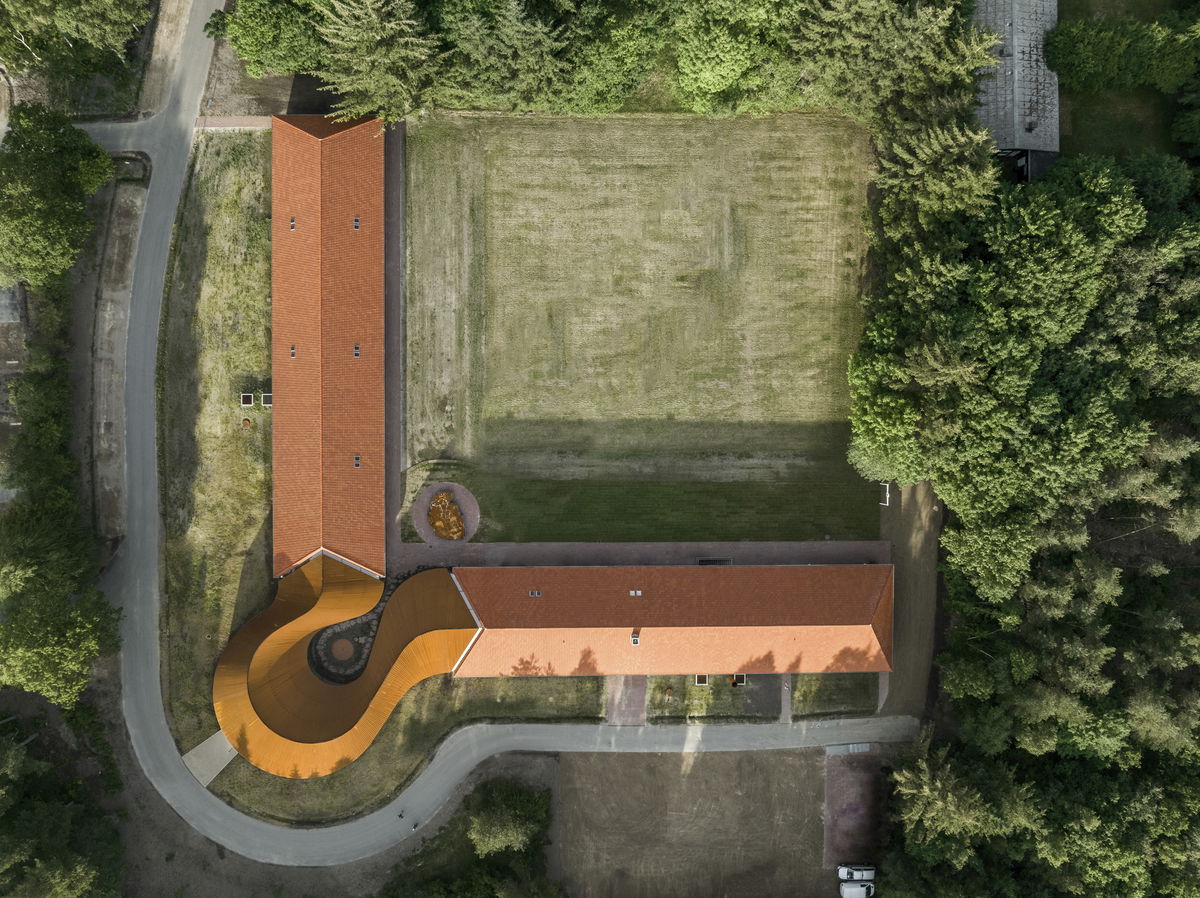
— The 540 m2 of additional program would be most practically positioned at the end of both buildings, creating a new interior connection between the two.
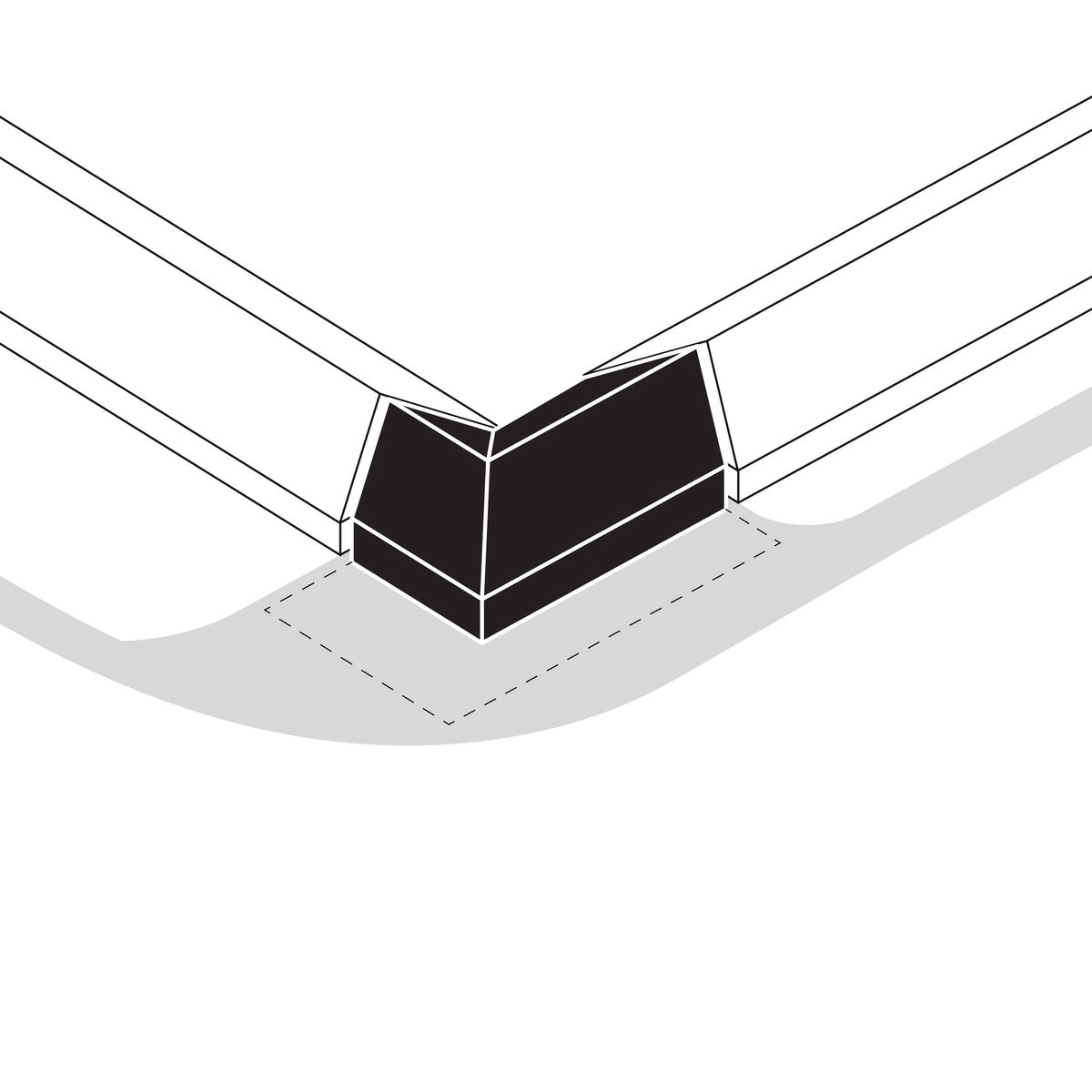
— Adapting the extension into an intersection of the two existing pitched roof buildings connects old and new architecturally. However, this would have provided too little area.
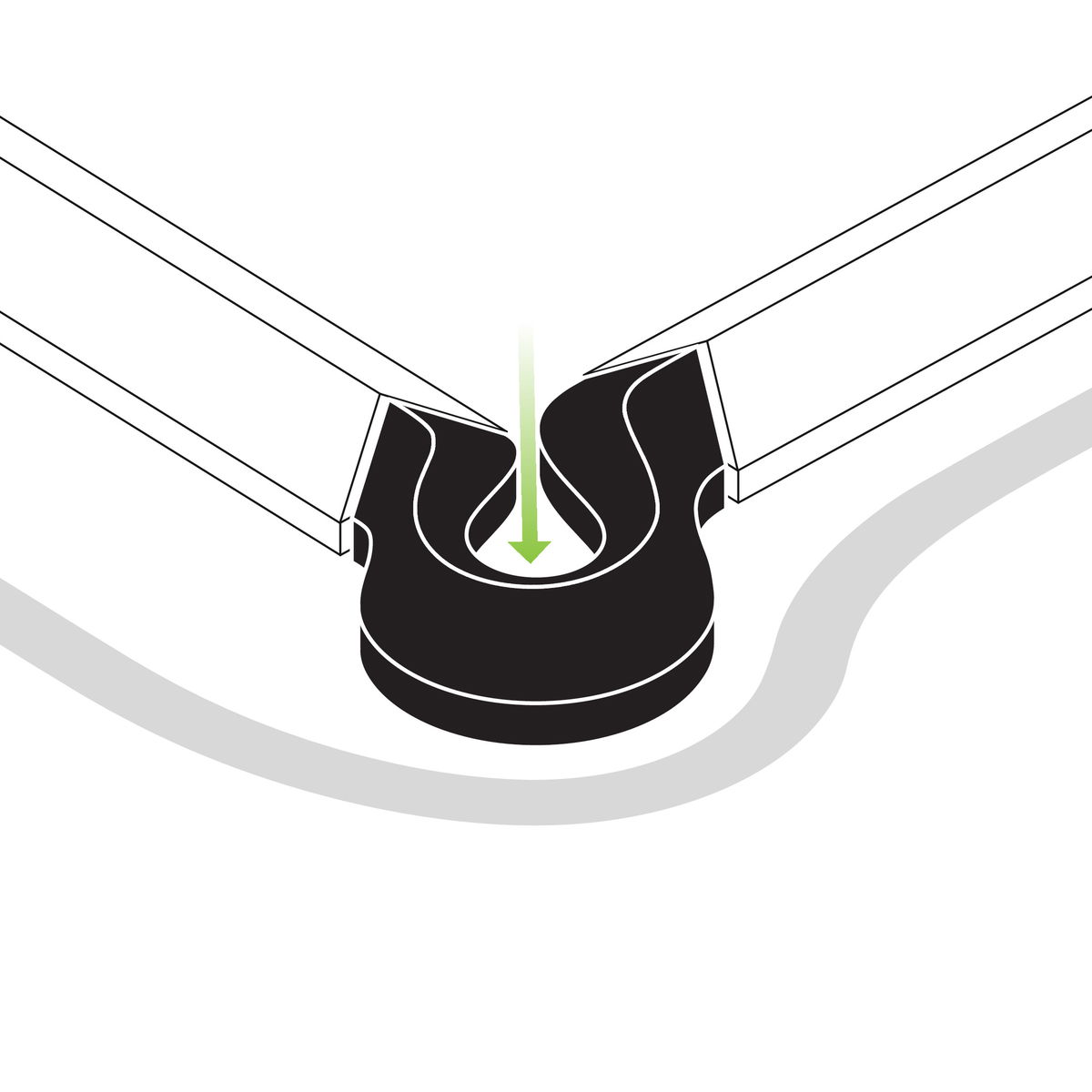
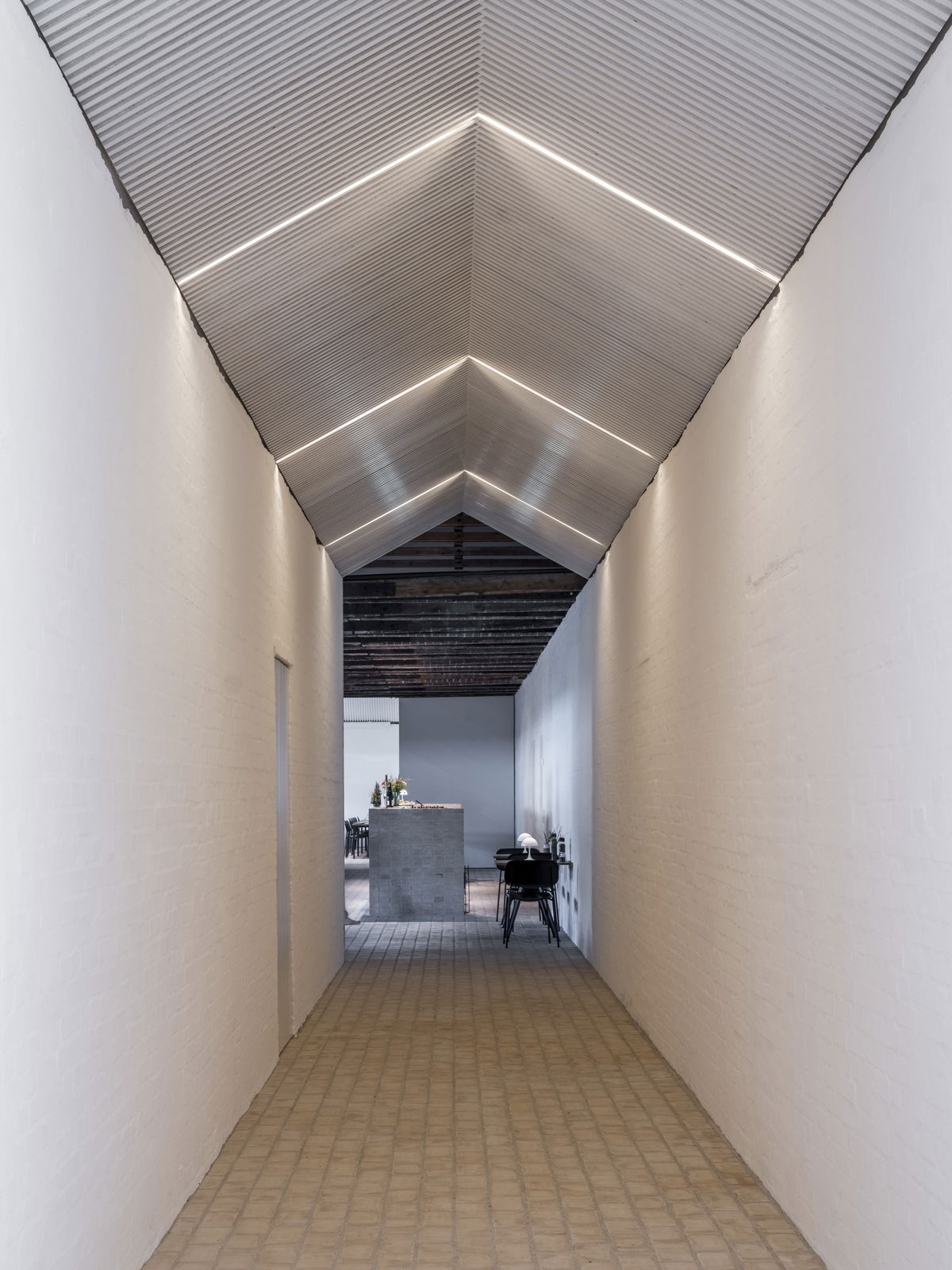
— Pushing the intersection of the two buildings back towards the street provides both the desired size of the building, creates a sheltered, green courtyard at the center of the extension and a gently curved interior space connecting the existing buildings.
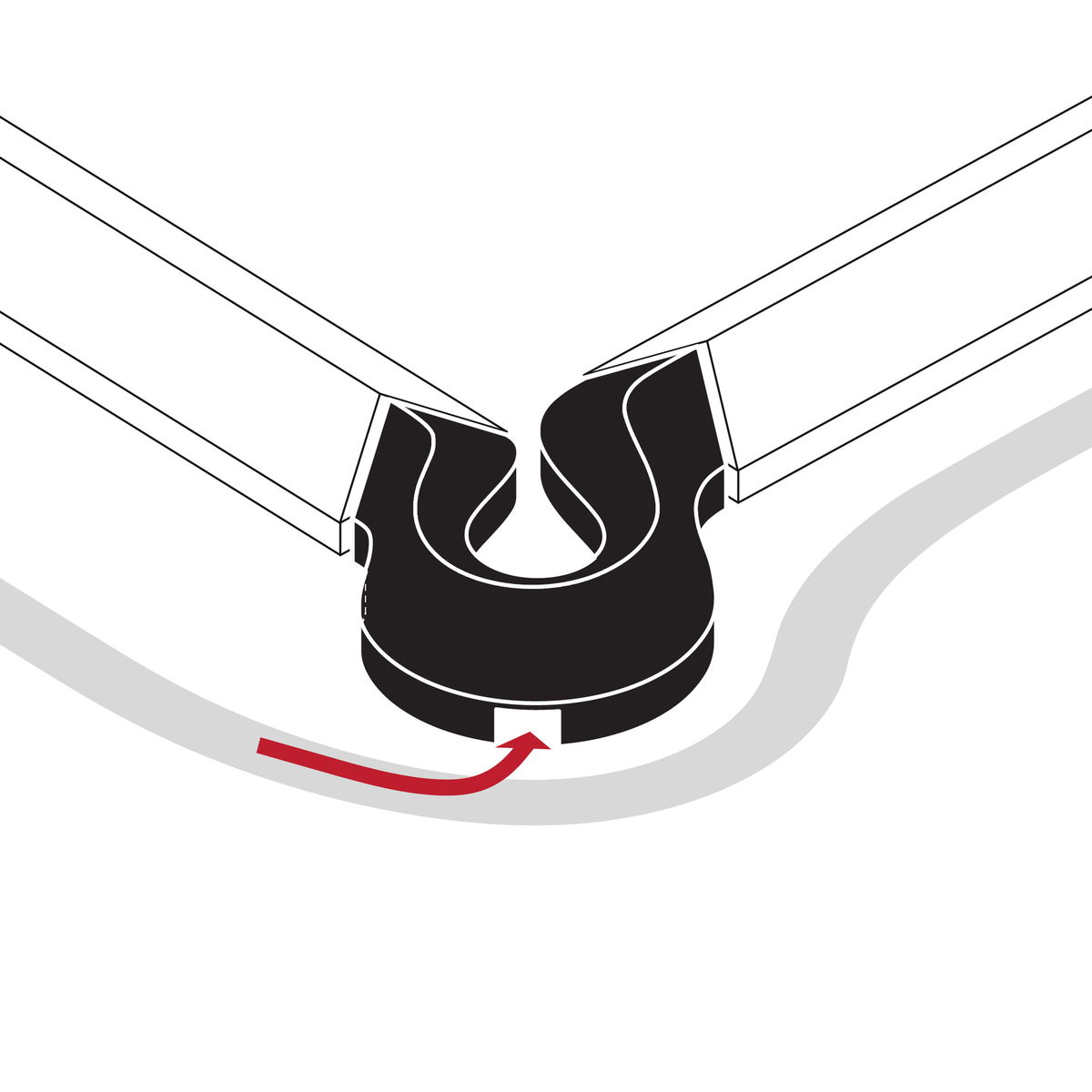
— The protruding shape of the extension marks the arrival from the street side, and opens up towards the park and surrounding forest on the other side.
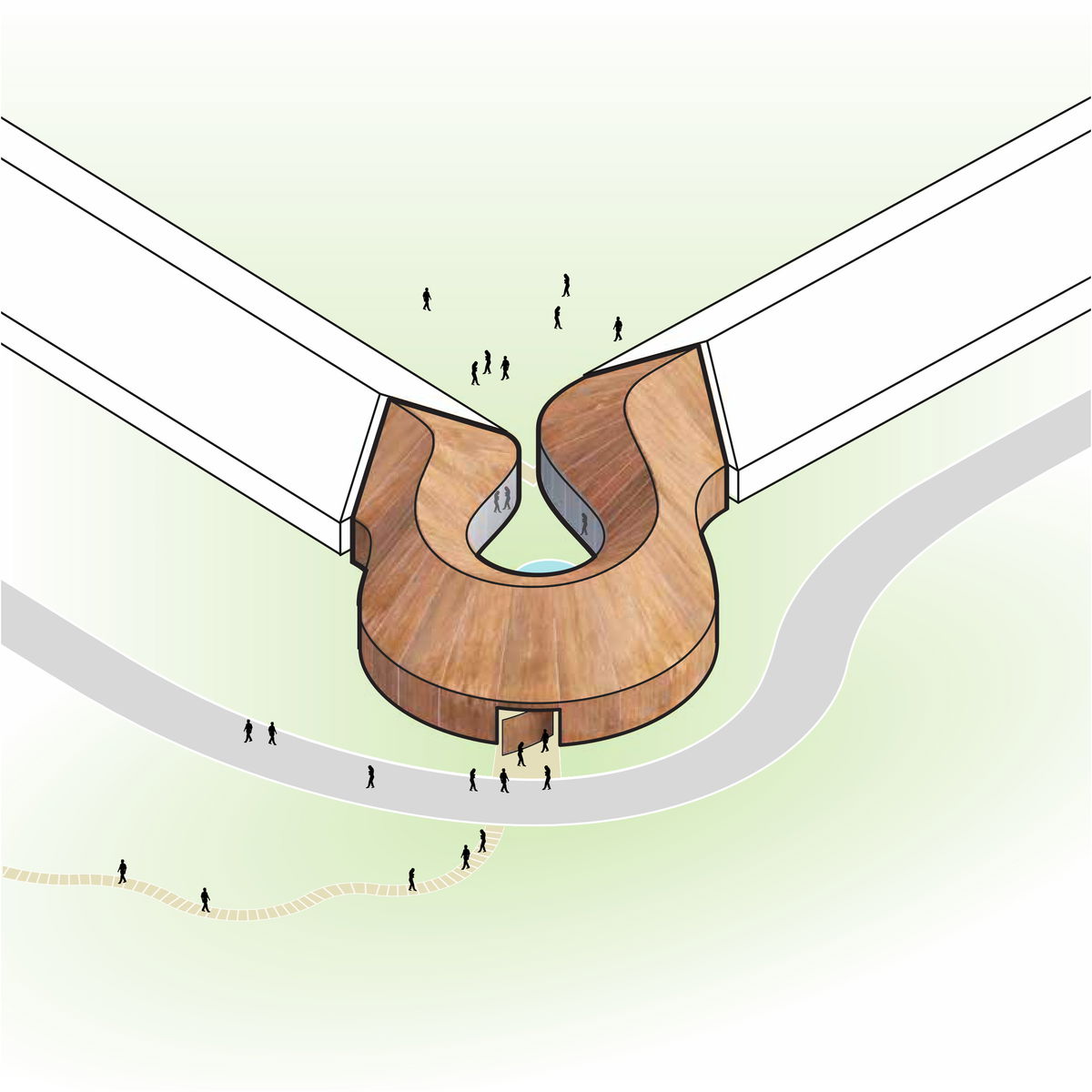
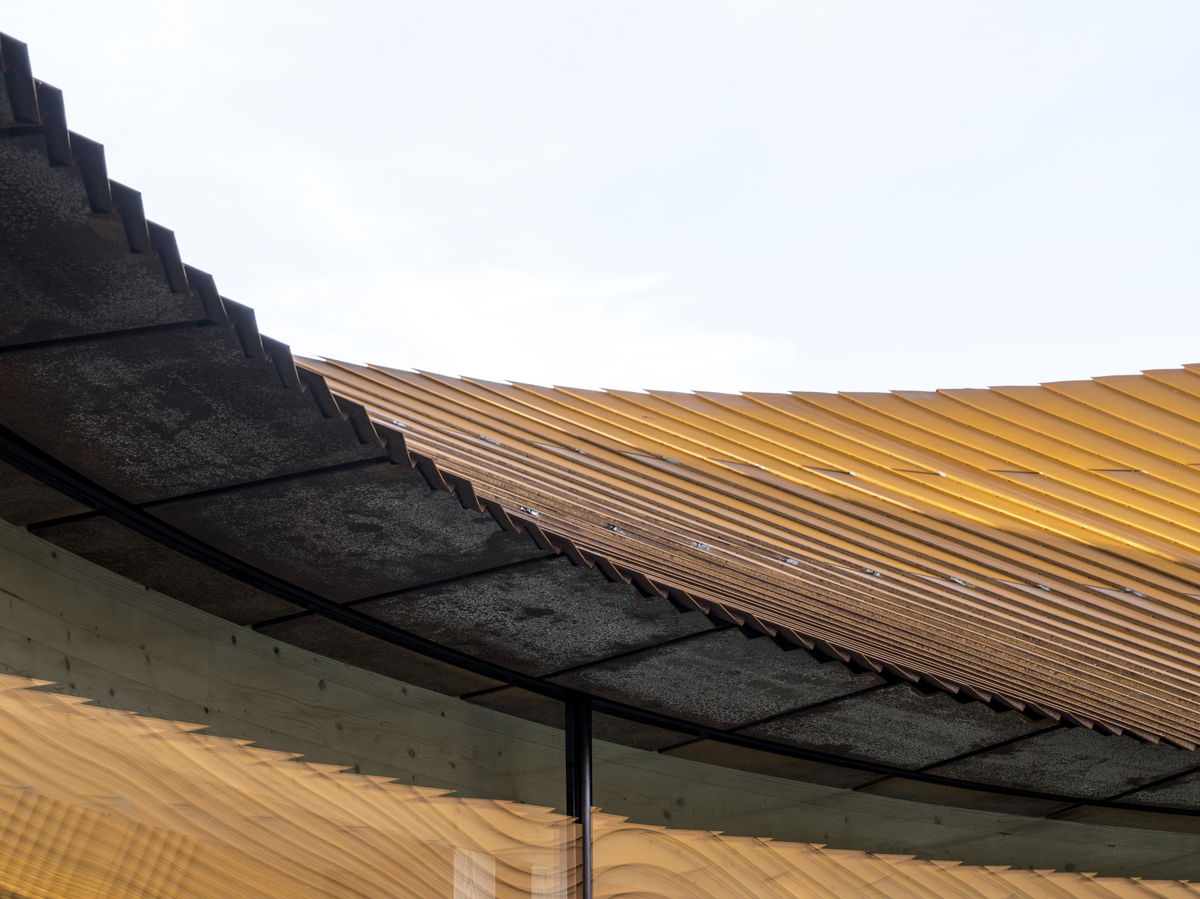
— The extension is clad entirely in Corten steel, making a visual connection to the red bricks of the existing buildings, except for the façade towards the courtyard and park, where a floor to ceiling glass façade lets light and views into the museum.

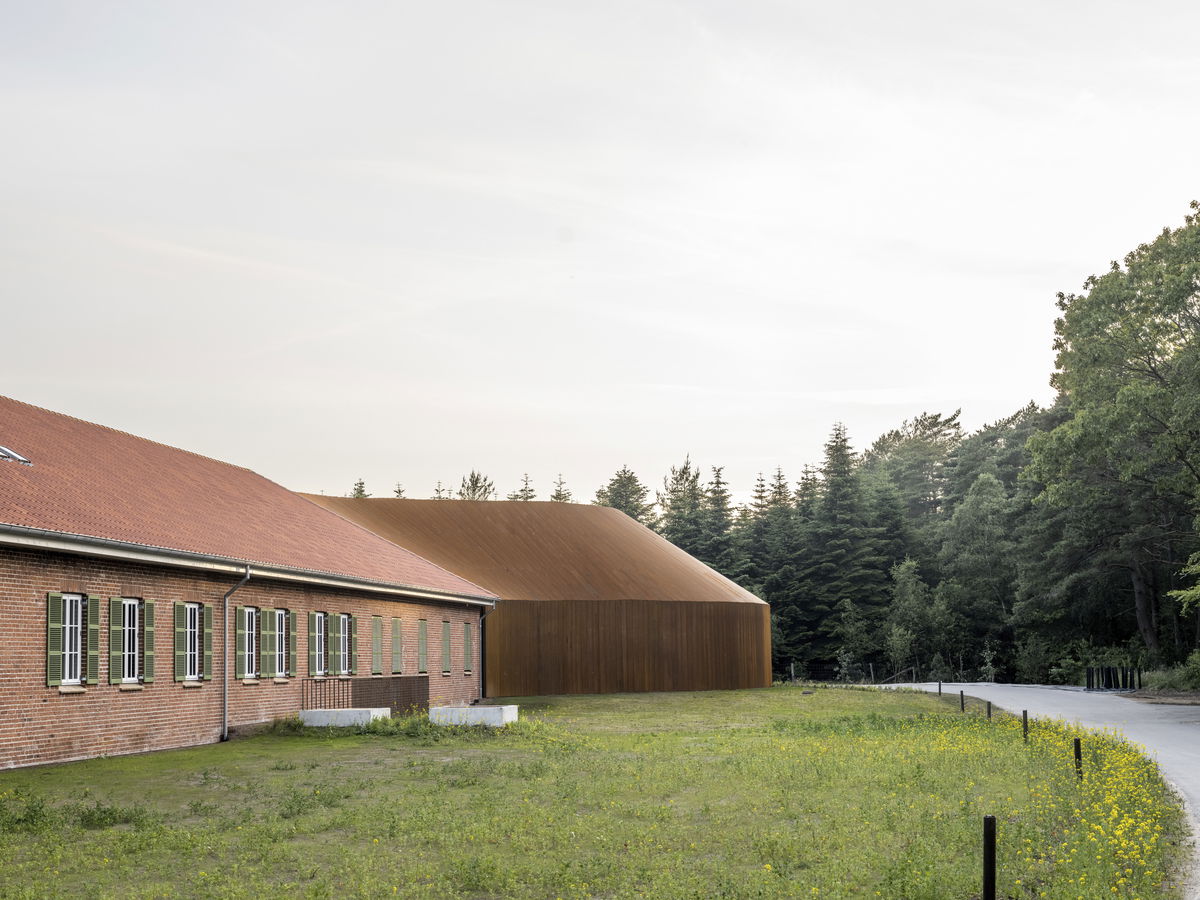

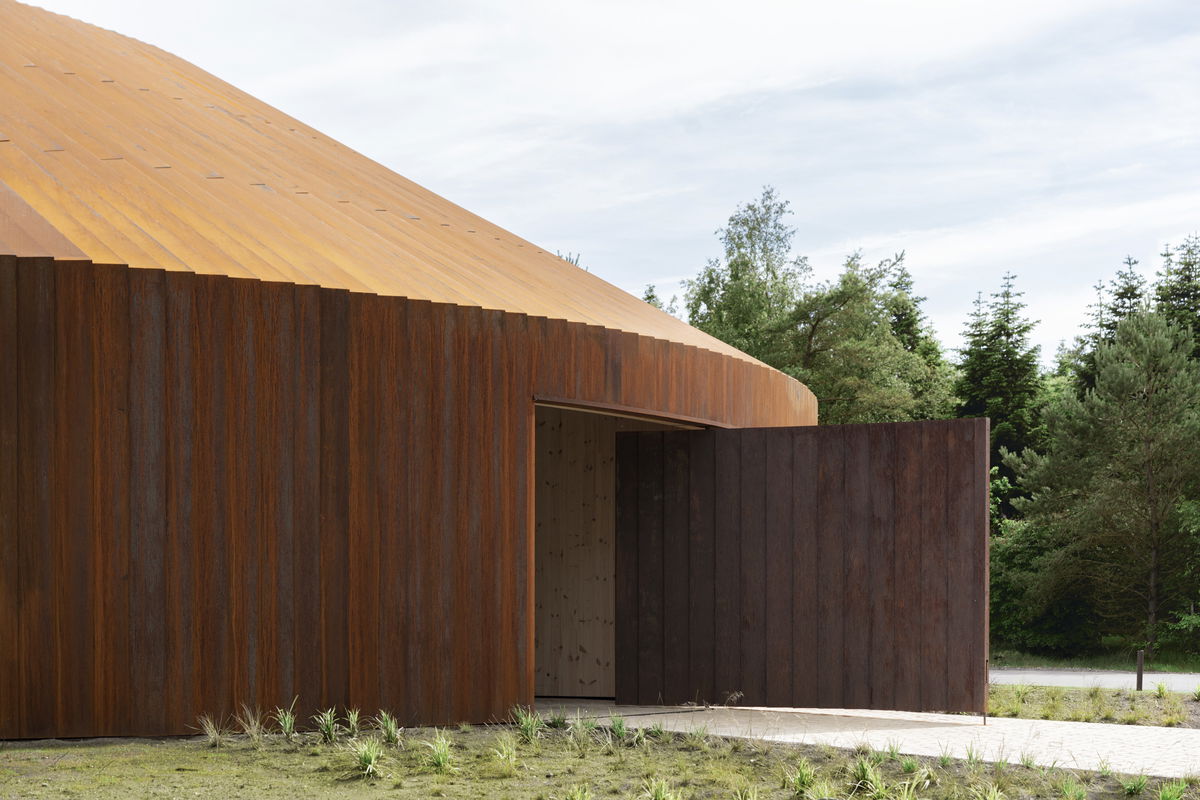
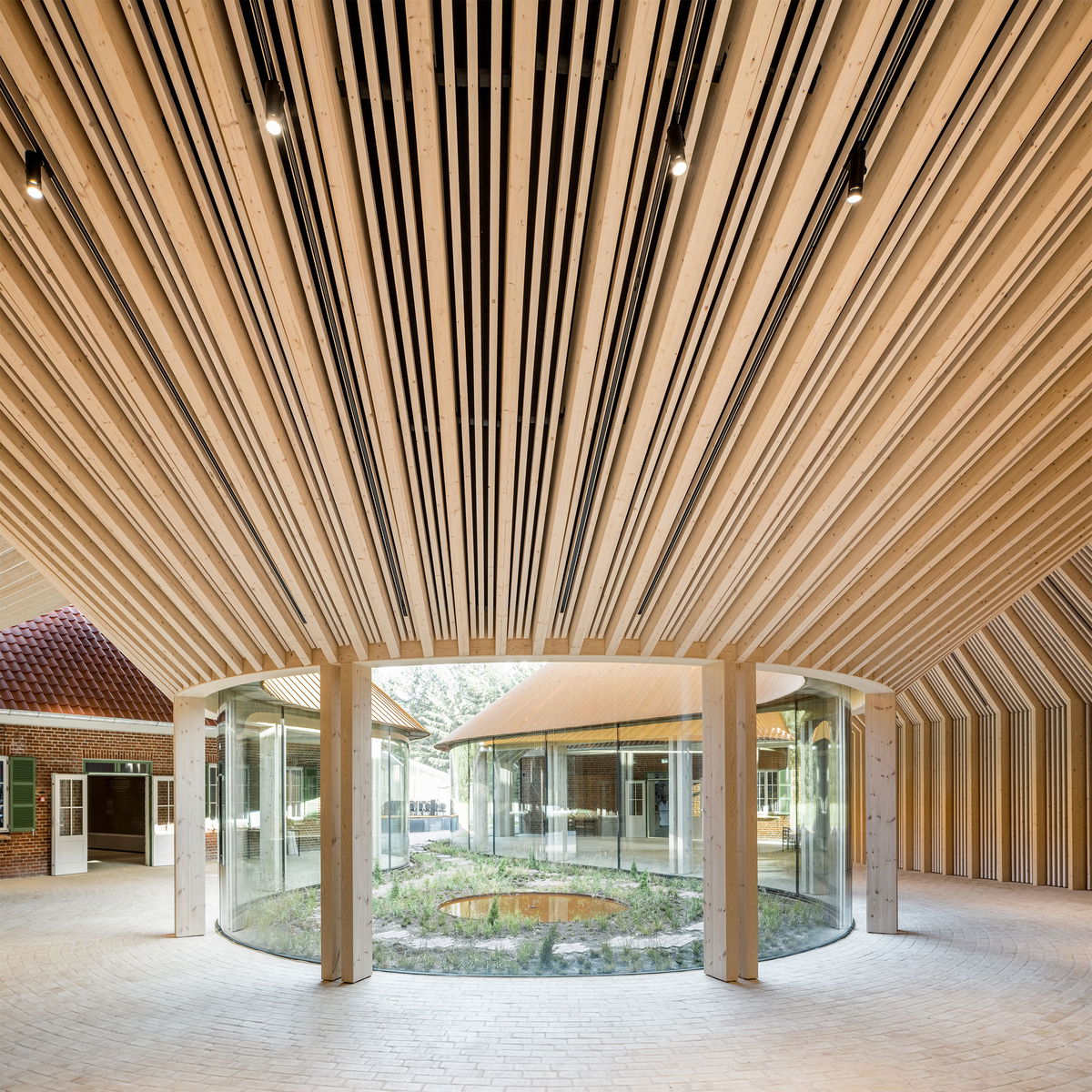
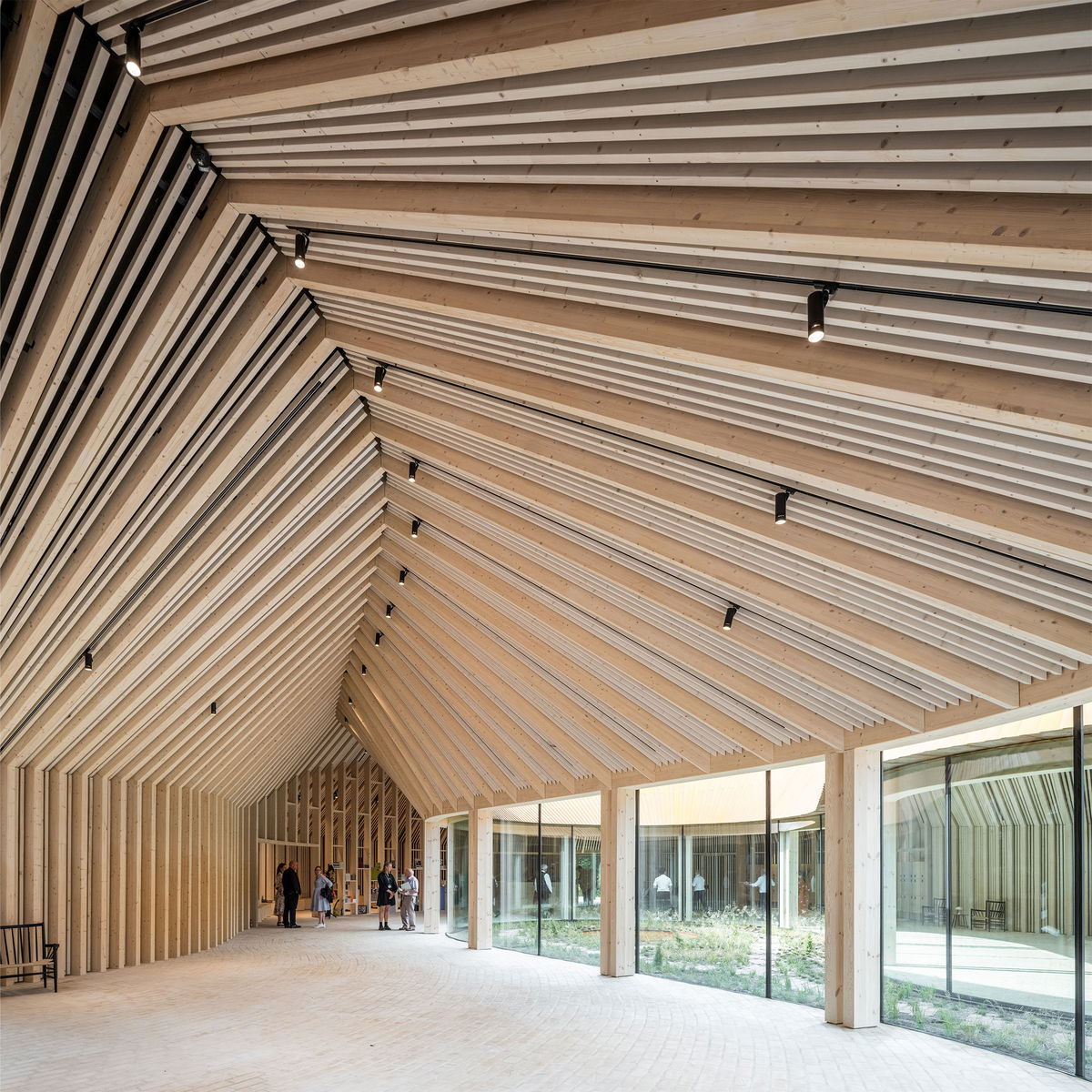
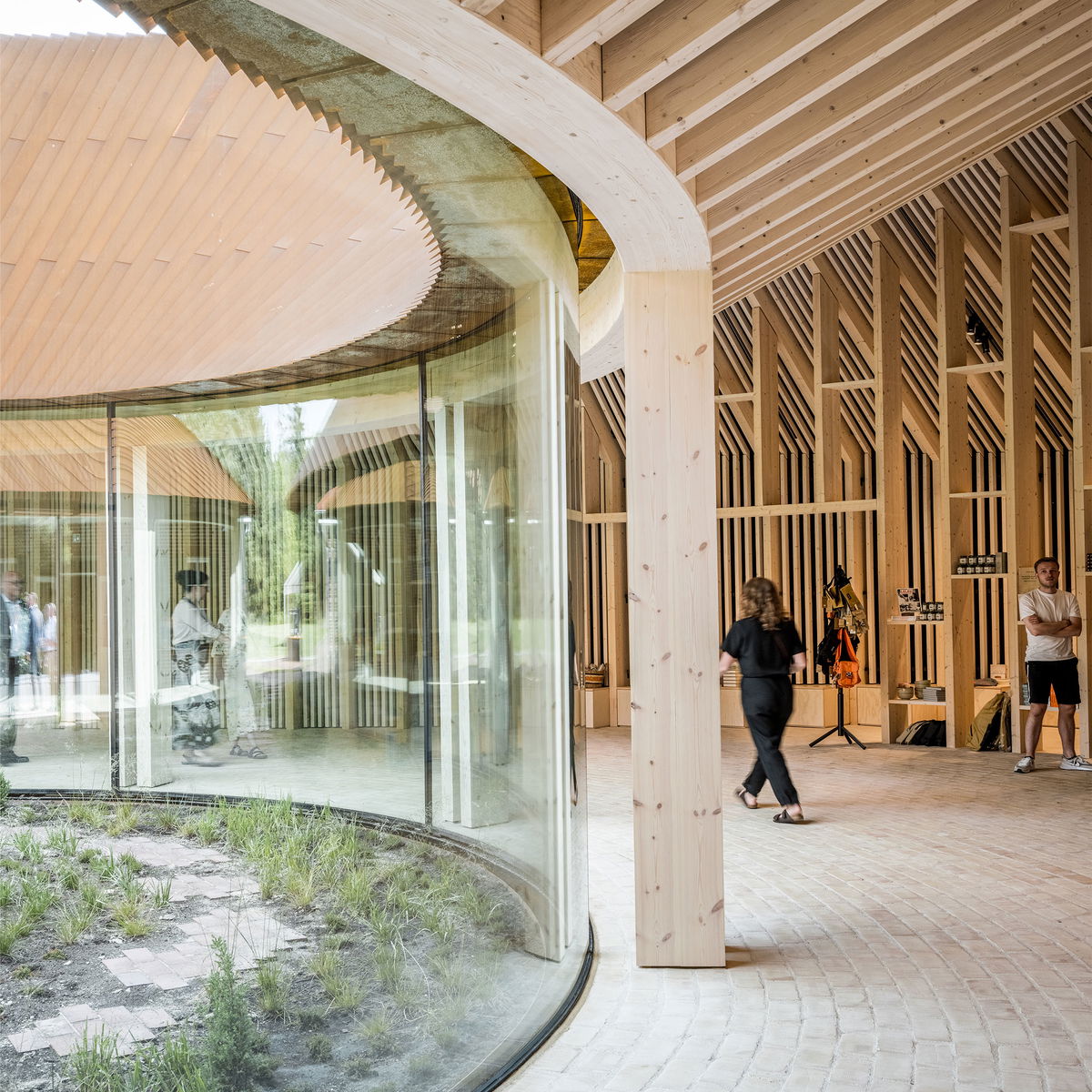
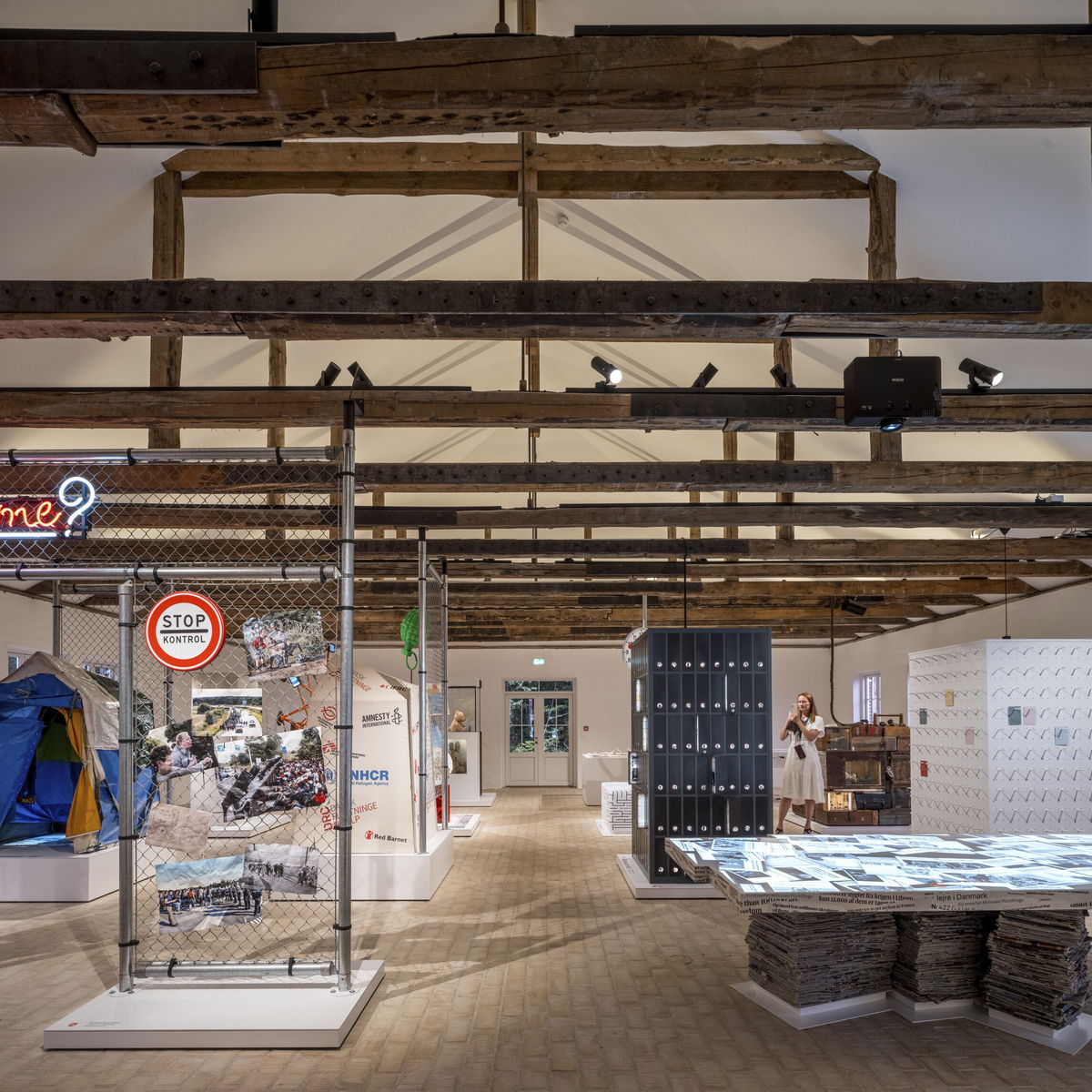
"From the very beginning of the design process, it was vital for us and our client, Vardemuseerne to preserve the two hospital buildings. The buildings are some of the last remaining physical manifestations of the former refugee camp, and not only is their preservation invaluable for future generations to understand the past and the present, the buildings also directly informed our design of the extension by means of their unique elongated form, structure and materiality. FLUGT is a great example of how adaptive reuse can result in sustainable, functional buildings that preserve our shared history while standing out architecturally."Frederik Lyng - Partner & Project Leader, BIG

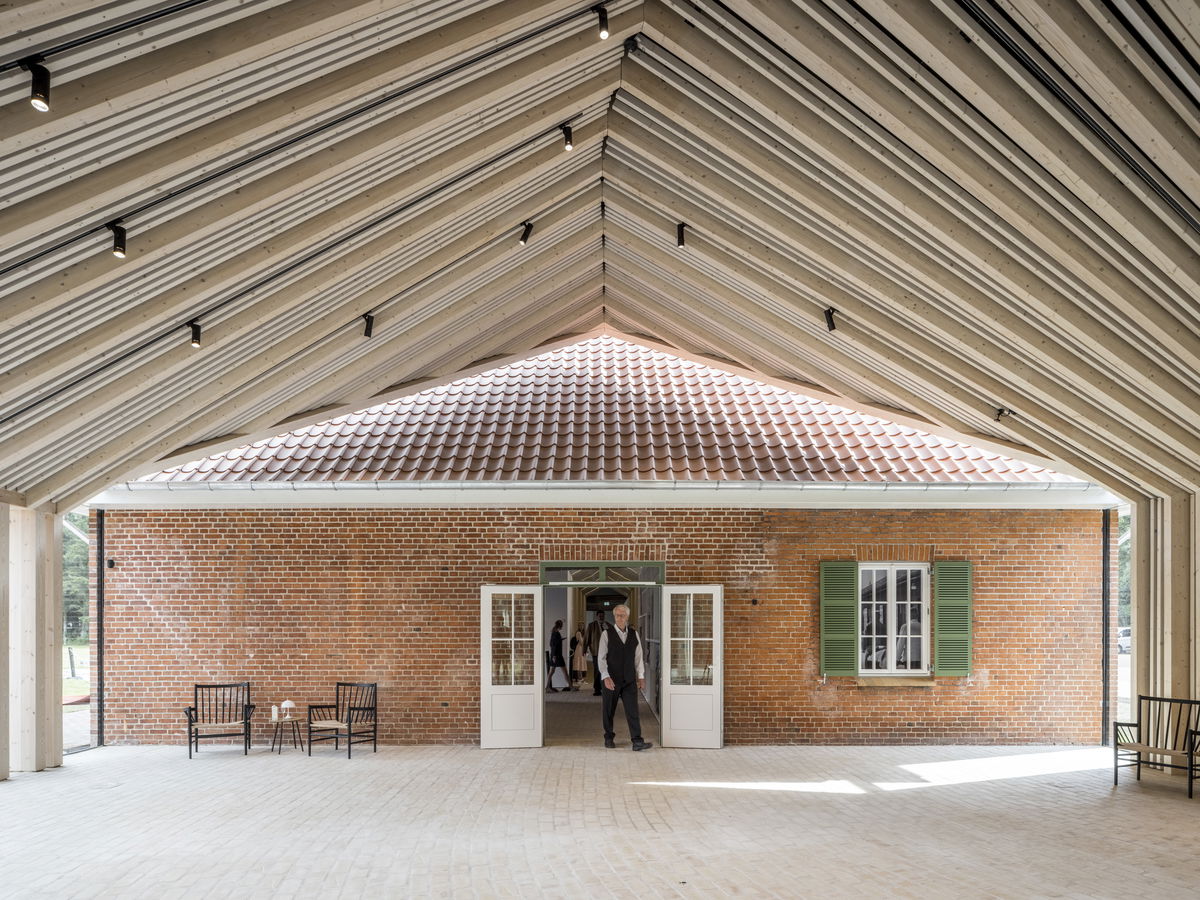

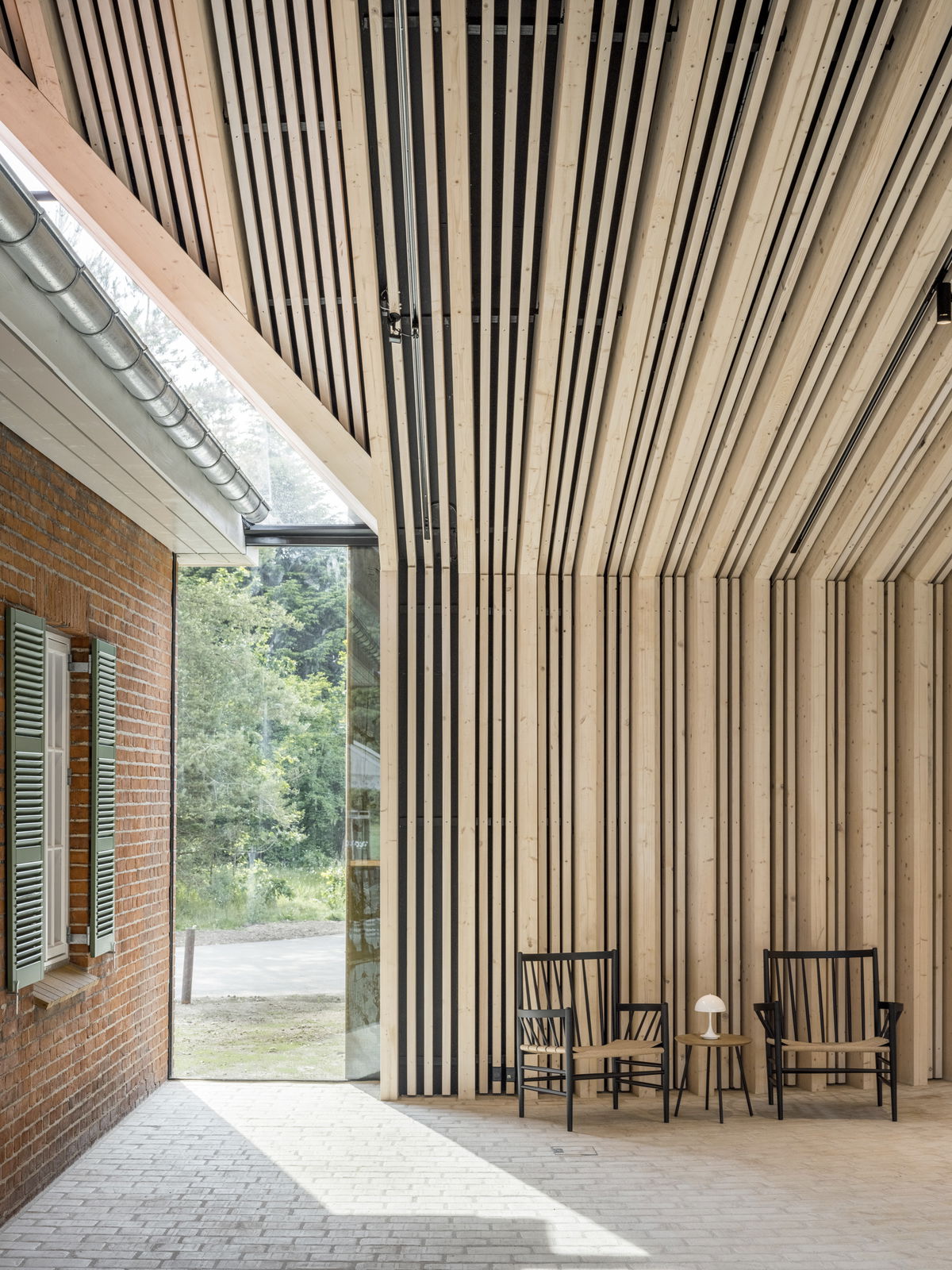

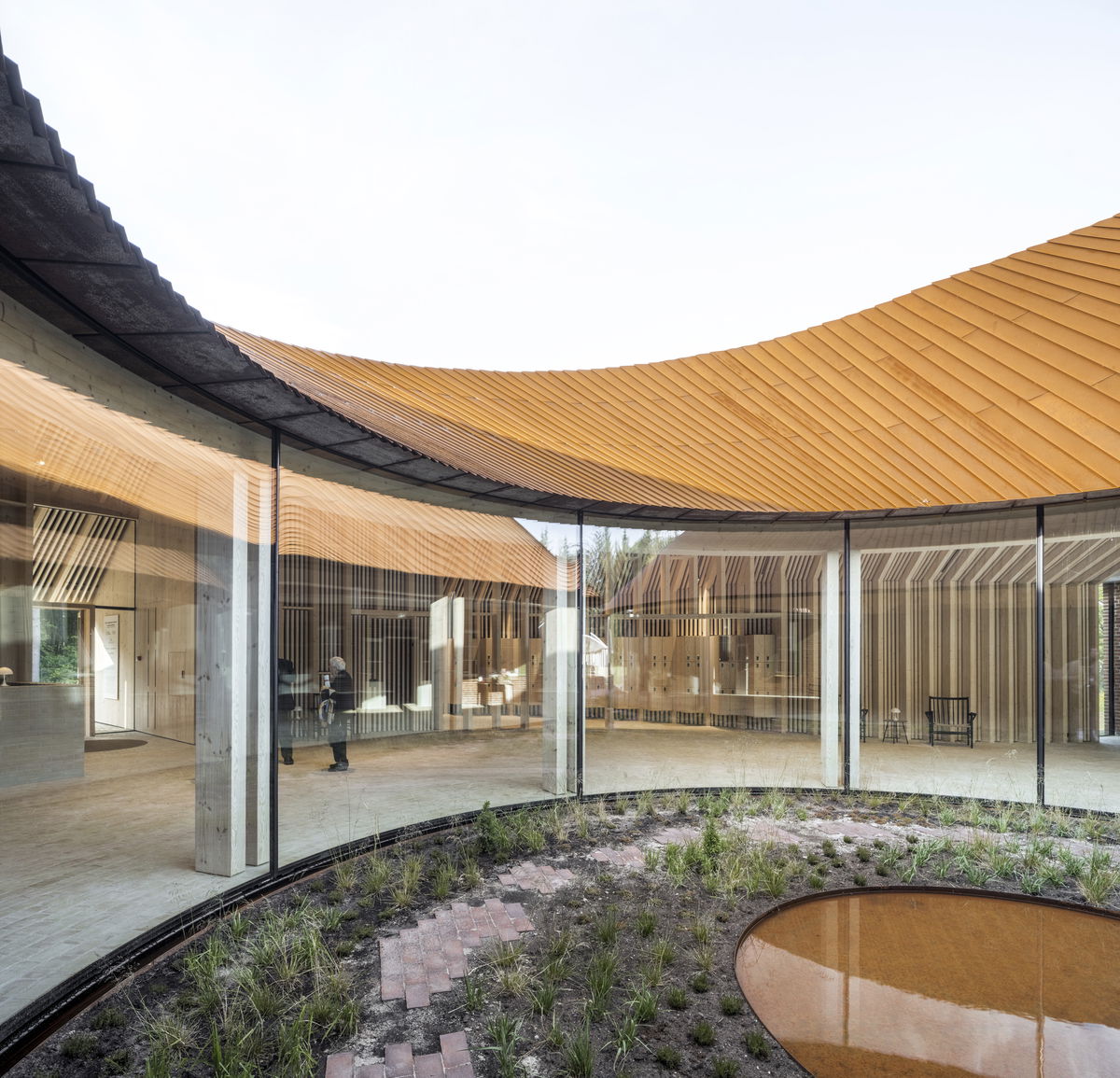

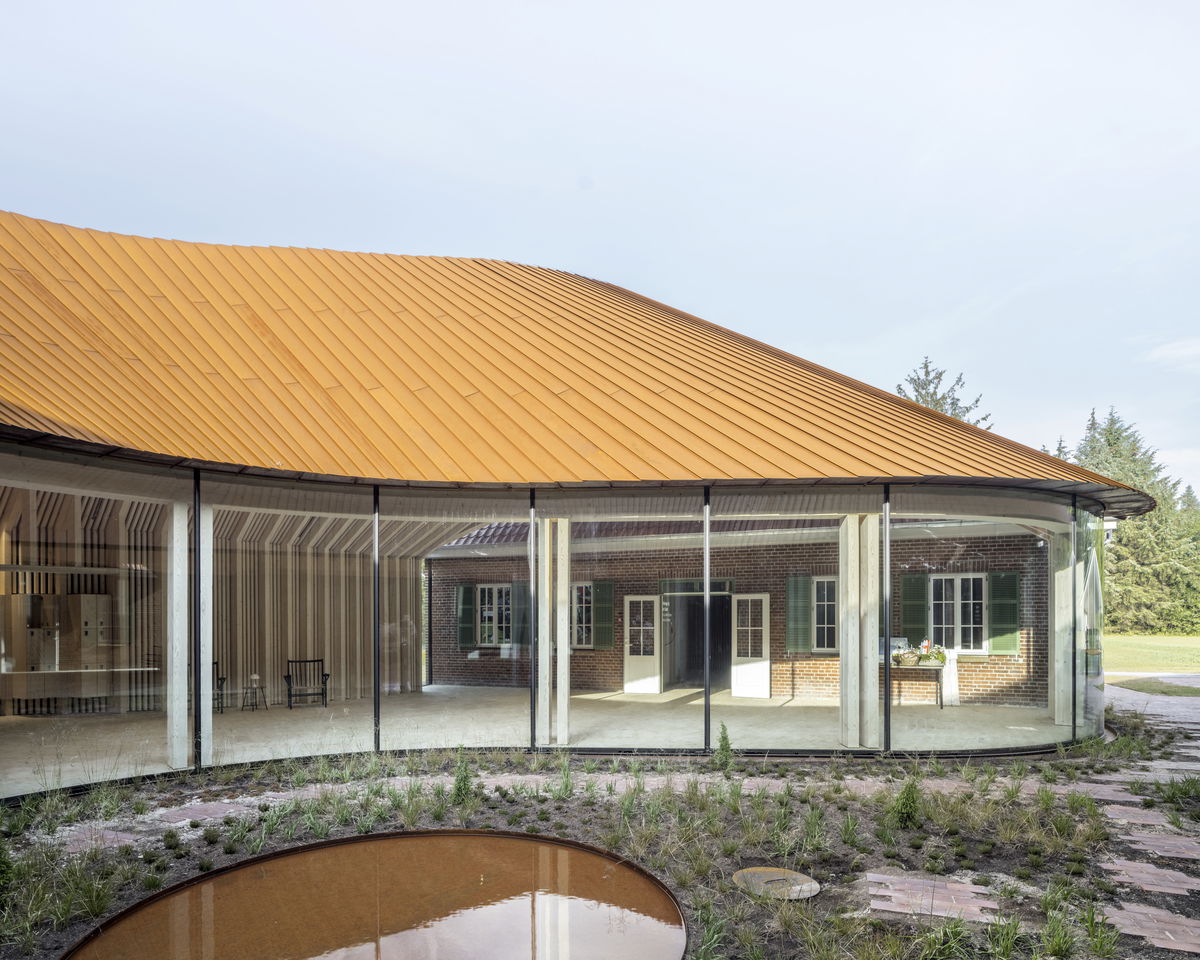

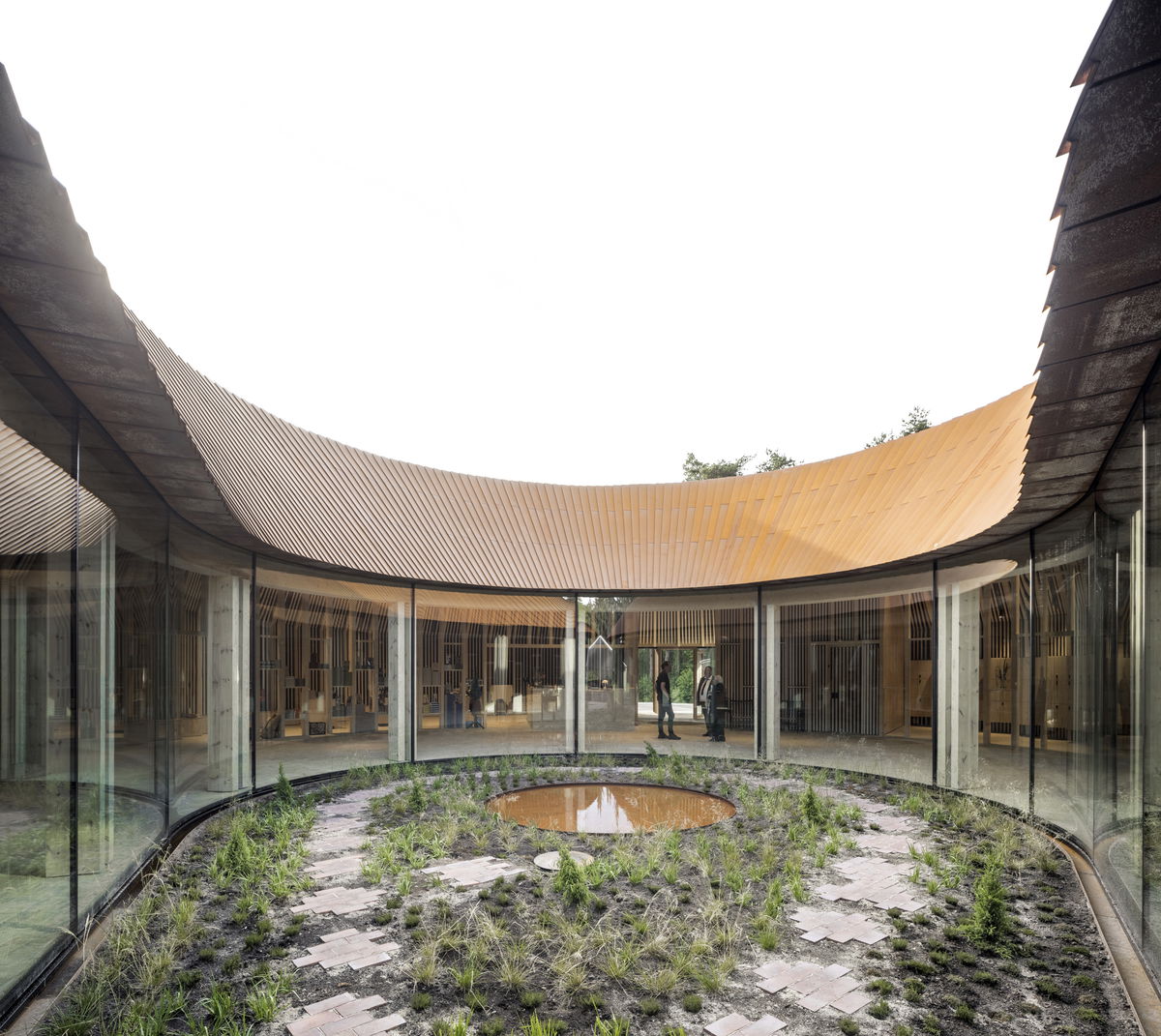



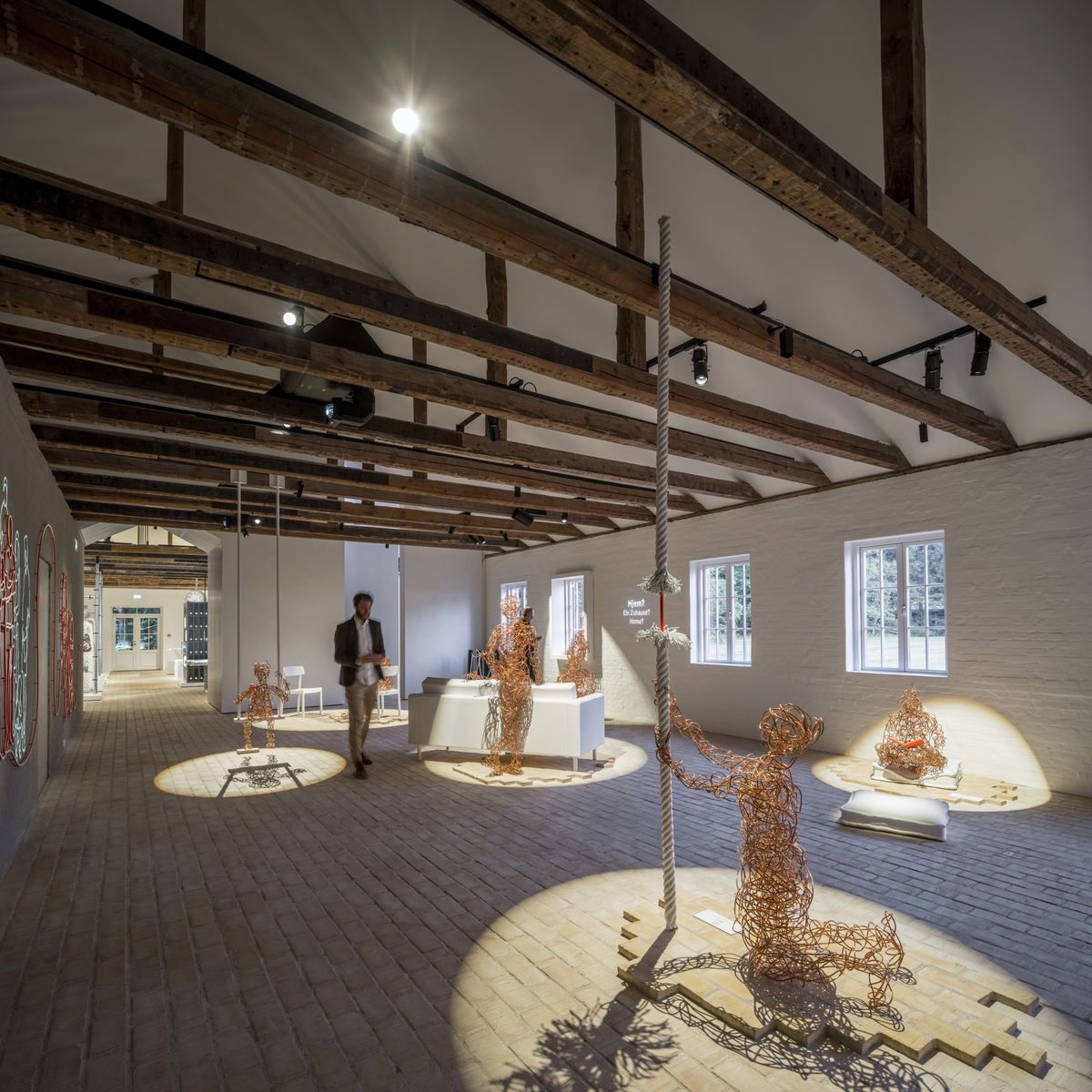
"The Refugee Museum of Denmark explores an important part of our history and a theme that is more relevant than ever, with millions of refugees currently displaced from their homes. We have designed an architectural framework that connects the past with the present - with a new building directly shaped by its relationship to the historic hospital buildings of the WWII refugee camp. We went into this project with all our heart to address one of the world’s greatest challenges - how we welcome and care for our fellow world citizens when they are forced to flee. The project is a continuation of our collaboration on Tirpitz Museum with Vardemuseerne and Claus Kjeld Jensen whose uncompromised design vision once again inspired our design for FLUGT."Bjarke Ingels - Founder & Creative Director, BIG

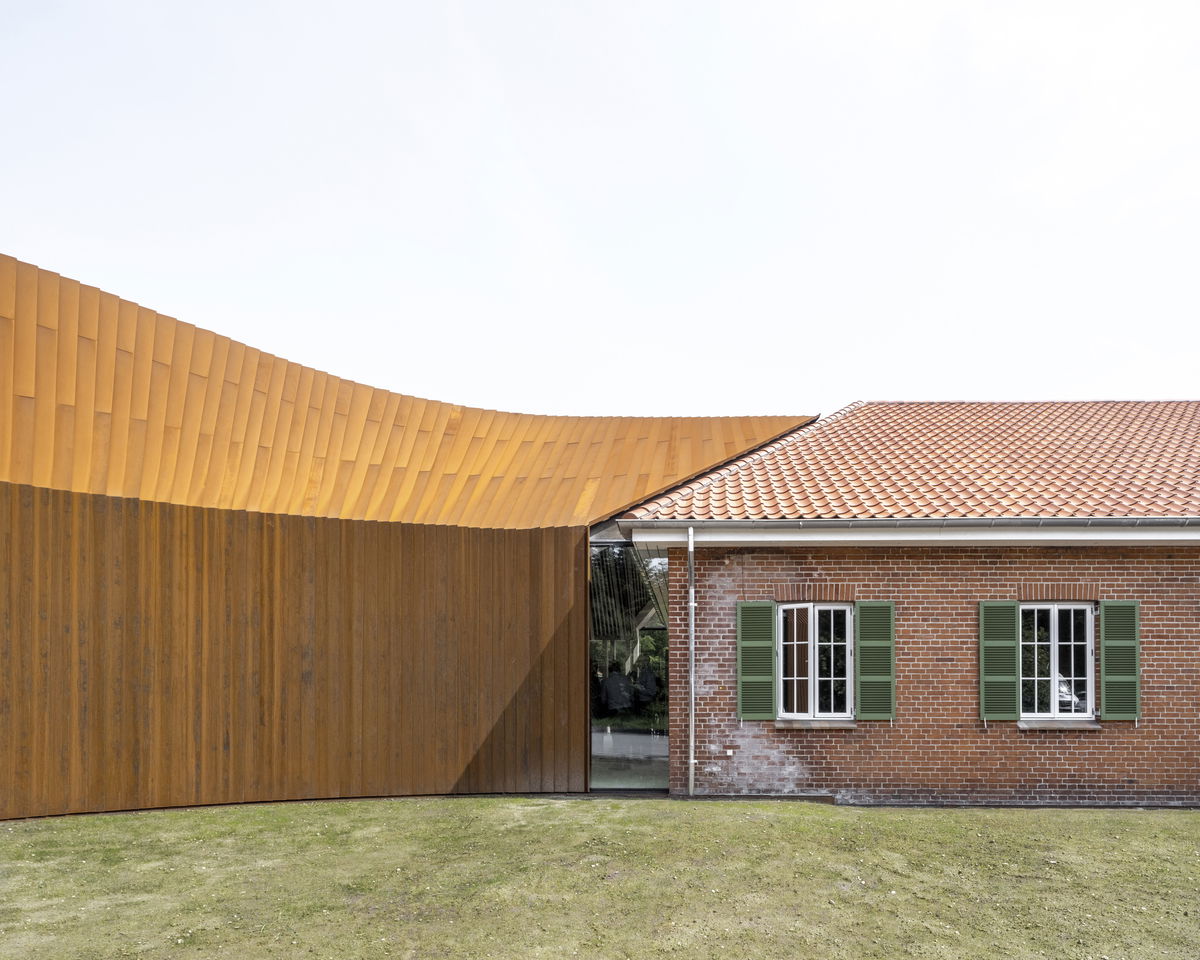

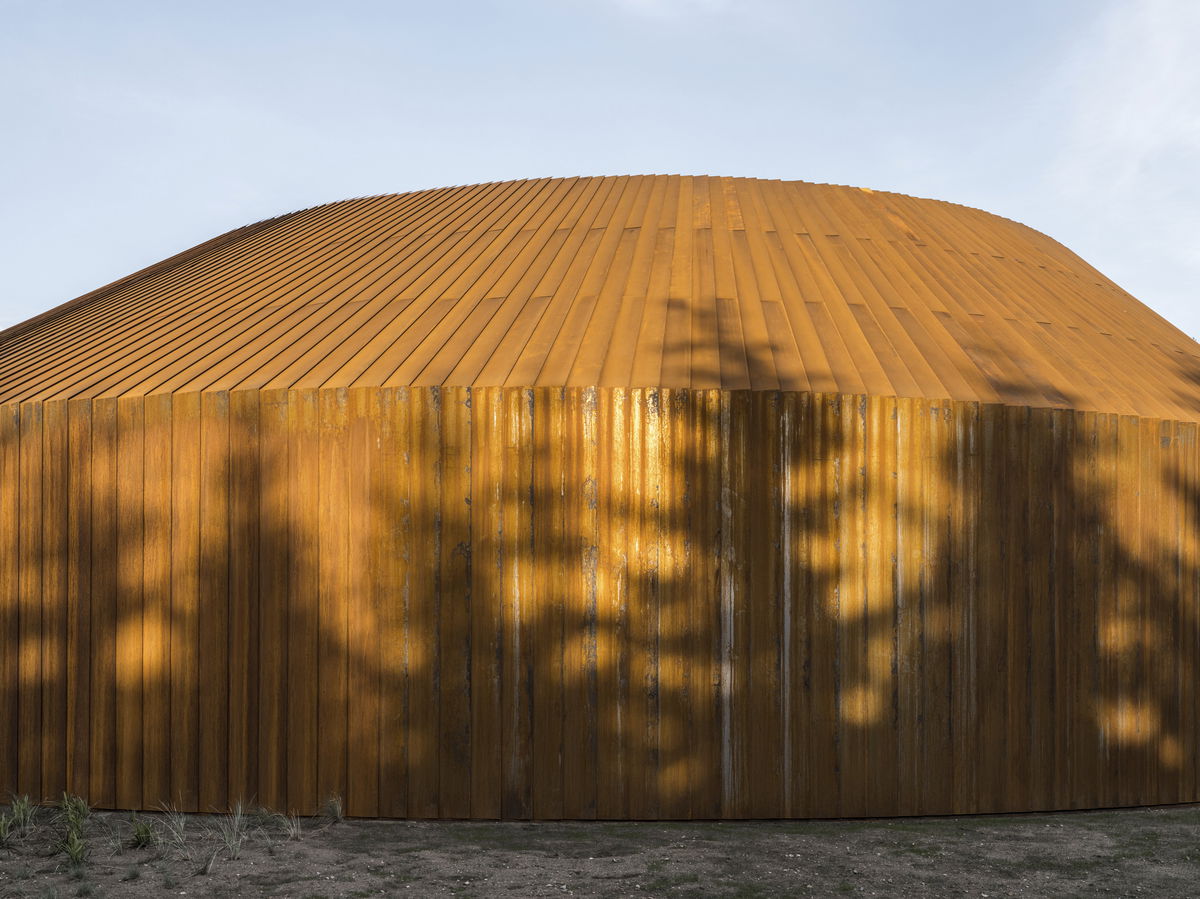
Partner in Charge
Bjarke Ingels
Finn Nørkjær
Ole Elkjær-Larsen
Project Leader
Frederik Lyng
Project Architect
Frederik Skou Jensen
Project Team
Ákos Márk Horváth
Anders Holden Deleuran
Andy Coward
Anne Søby Nielsen
Arthur Martinevski
Cheng-Huang Lin
Danyu Zeng
David Zahle
Eddie Can
Gabrielė Ubarevičiūtė
Hanne Halvorsen
Høgni Laksafoss
Kim Lauer
Laura Watte
Lone Fenger Albrechtsen
Lukas Molter
Mads Primdahl Rokkjær
Marius Tromholt-Richter
Michael James Kepke
Muhammad Mansoor Awais
Nanna Gyldholm
Nikolaos Romanos Tsokas
Oliver Siekierka
Peter Høgenhaven
Richard Howis
Sascha Leth Rasmussen
Sofiia Rokhmaniiko
Thor Larsen-Lechuga
Tomas Minör
Toni Mateu
Tore Banke
Tristan Harvey
BIG Landscape
Barbora Hrmova
Giulia Frittoli
Jonathan Udemezue
Katrine Sandstrøm
Kristian Mousten
Ulla Hornsyld
Awards
Danish Building of the Year Awards 2022
Luigi Micheletti Award 2023
Collaborators
INGENIØR'NE
Tinker Imagineers
Gade & Mortensen Akustik
HB Trapper
BIG Landscape
BIG Ideas