

Toyota Woven City
Susono, Japan
Client
Toyota Motor Corporation
Typology
Urbanism
Status
Completed


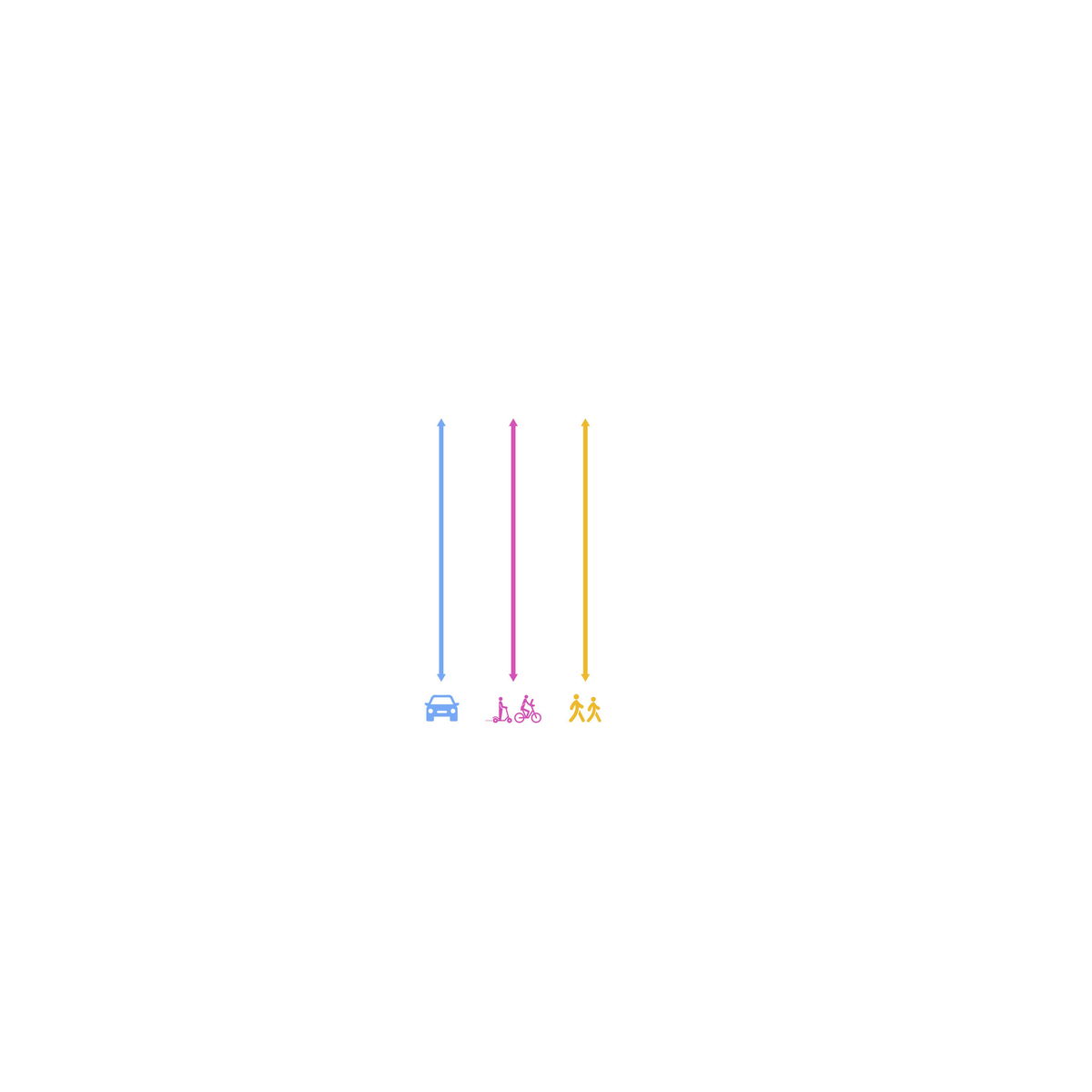
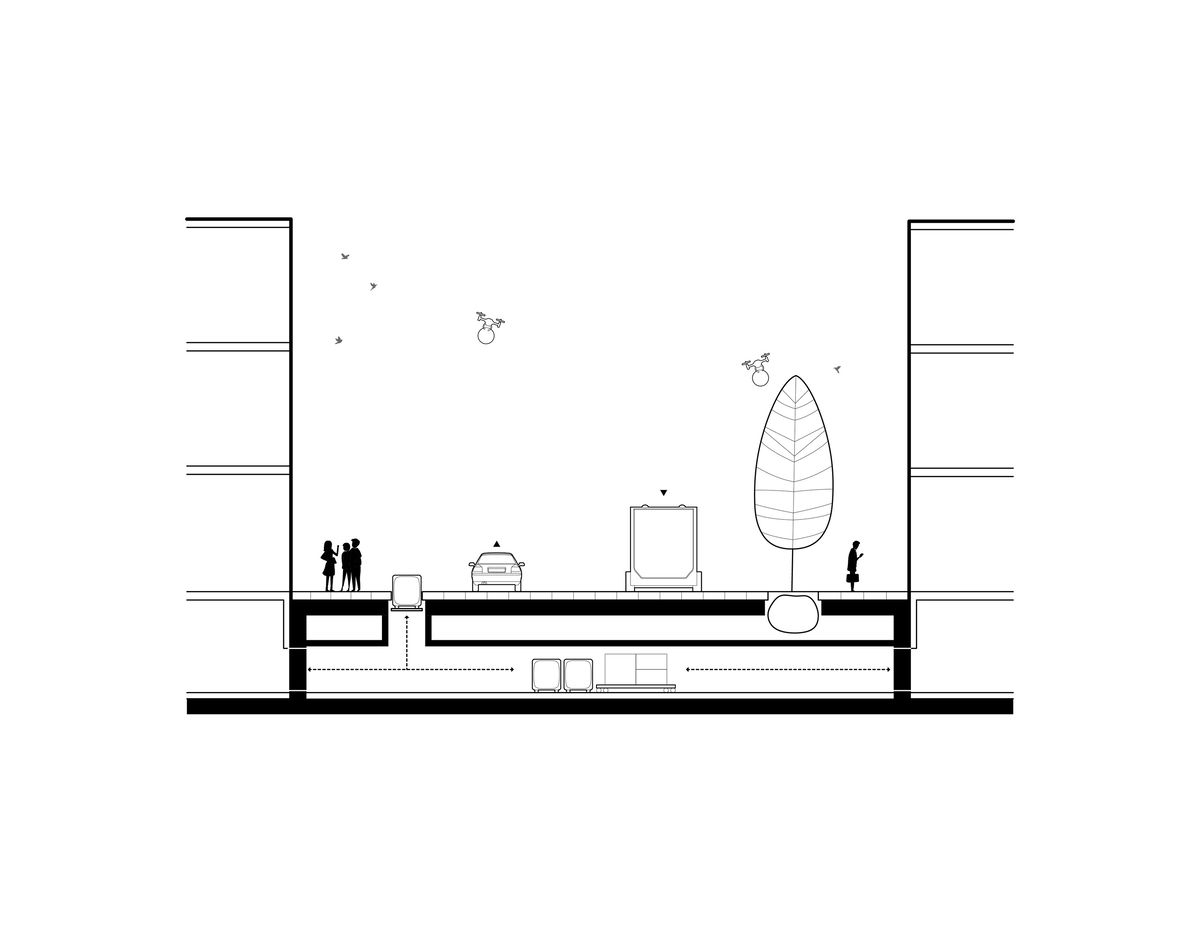
MOBILITY TYPES — Typical streets are shared by vehicular, pedestrian, and other mobility types. The road is mostly dedicated to car traffic and parking lanes, while pedestrians occupy a minor portion of the street. Woven City treats each mobility type equally, creating three separated streets with different functions.
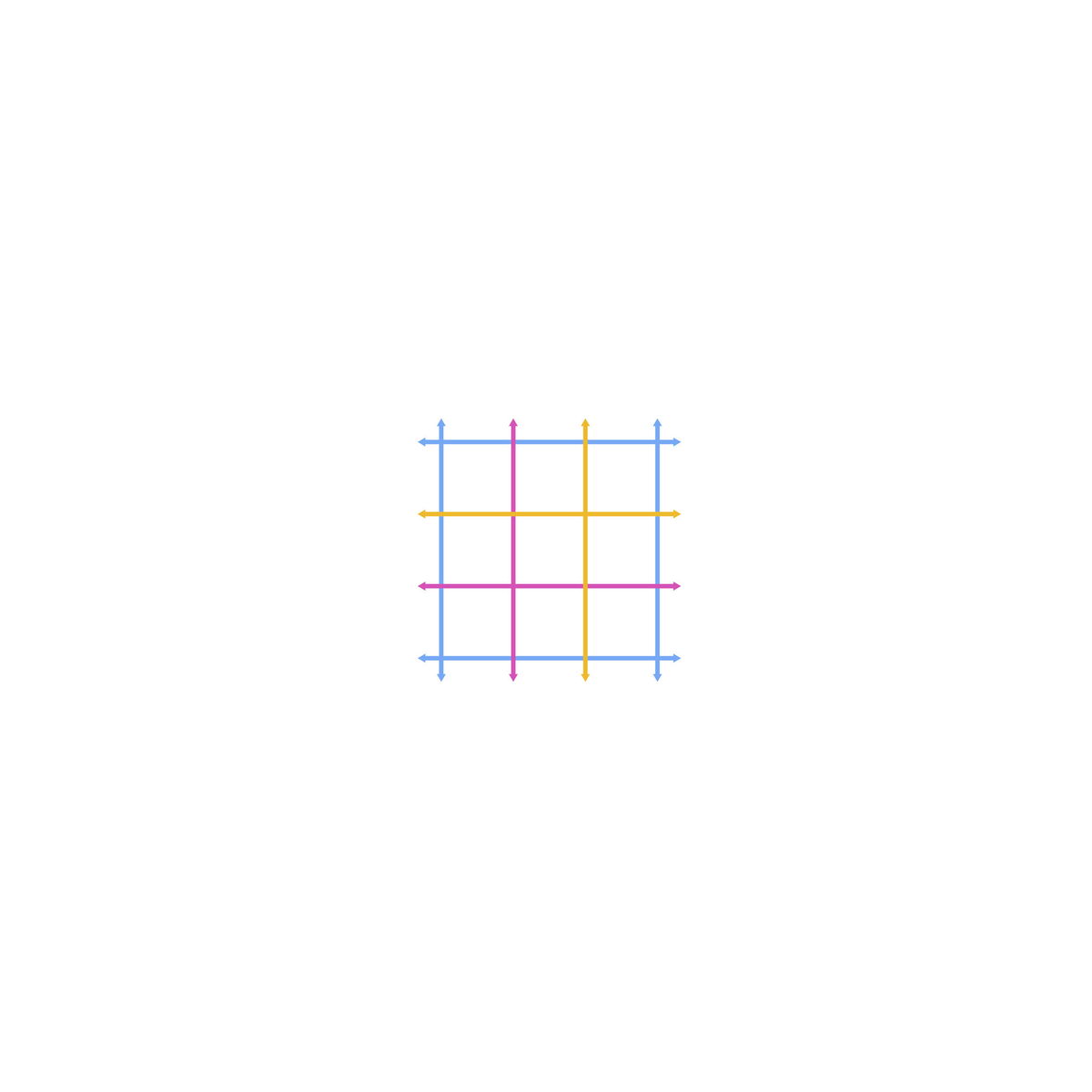
WOVEN GRID — The three street types interweave to create a 3x3 block module, 150 m wide. The streets on the perimeter of the woven block module provide vehicular access for logistical and infrastructural services.
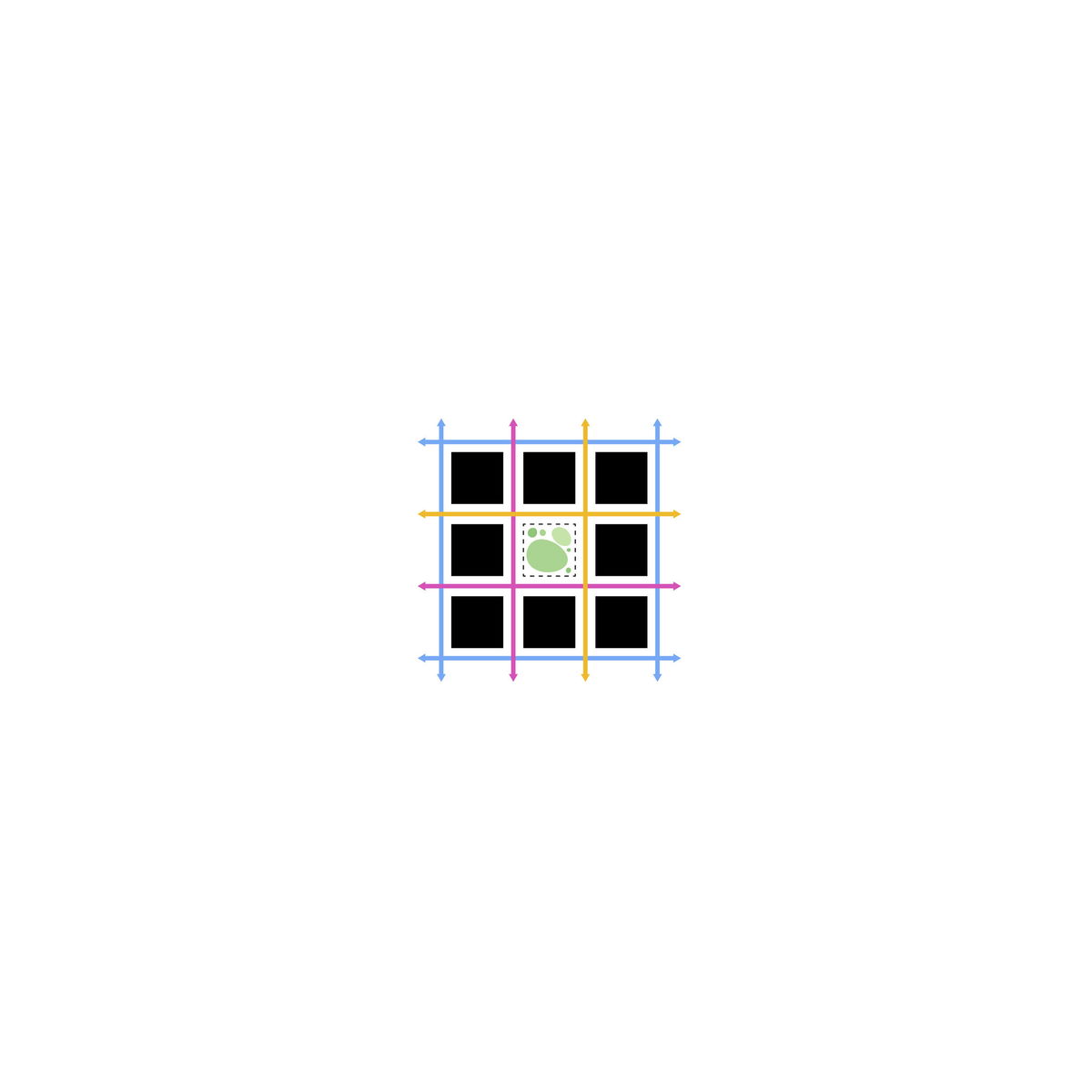
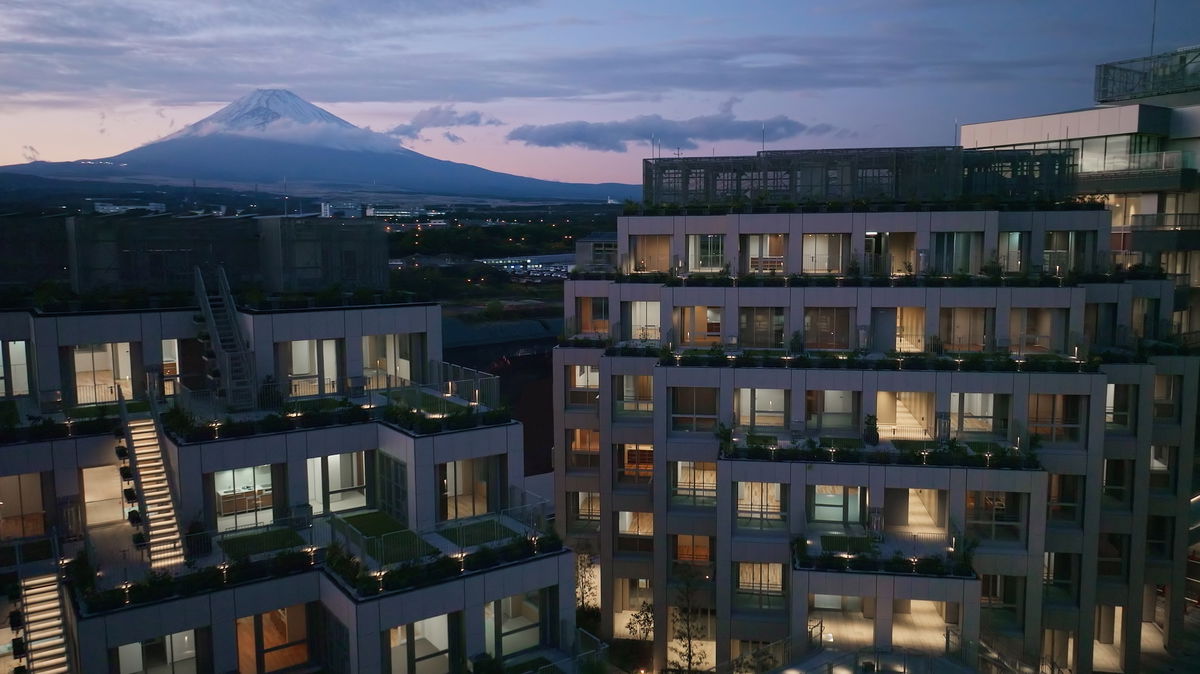
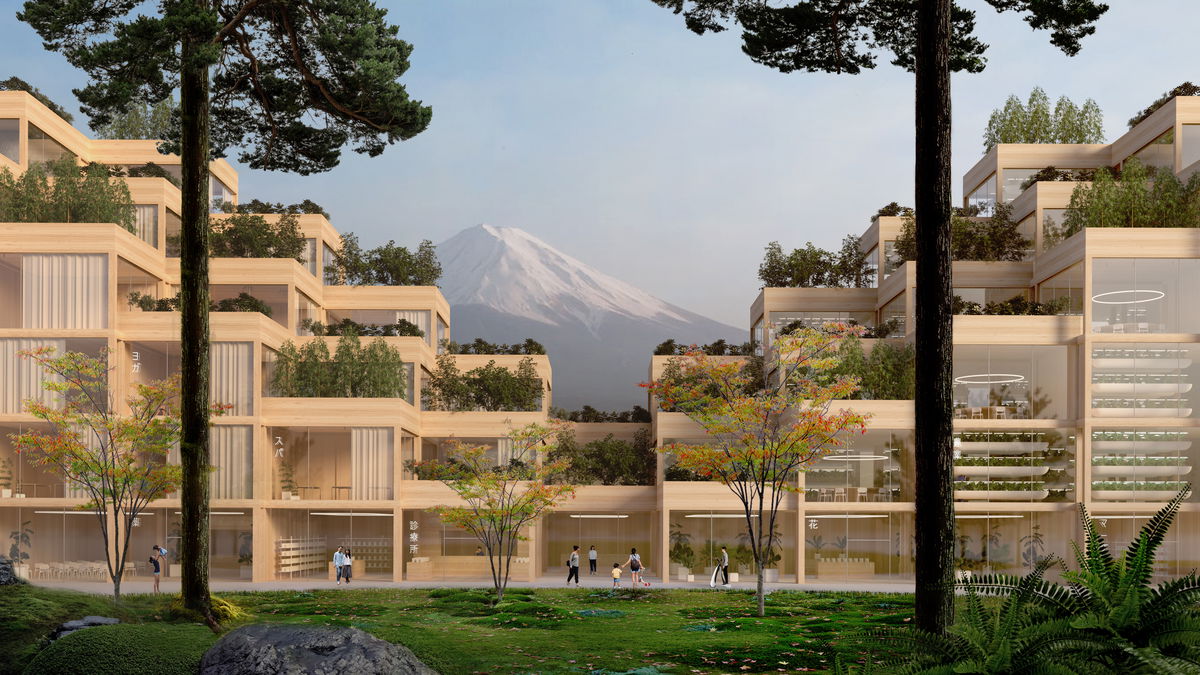
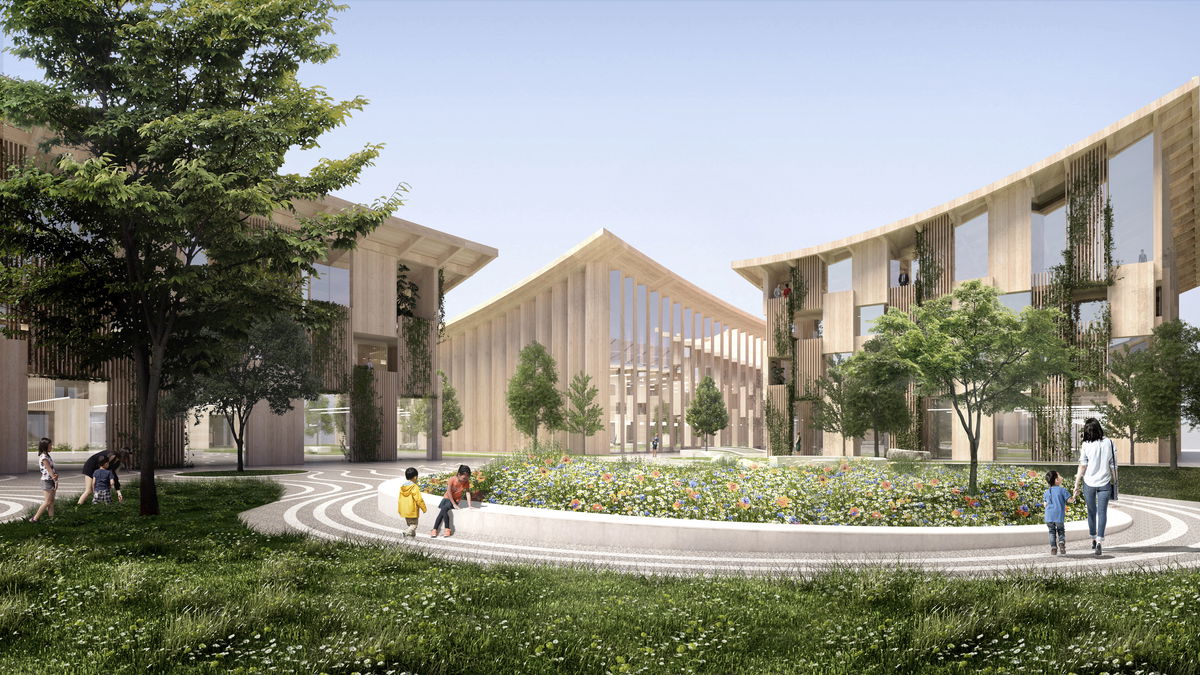
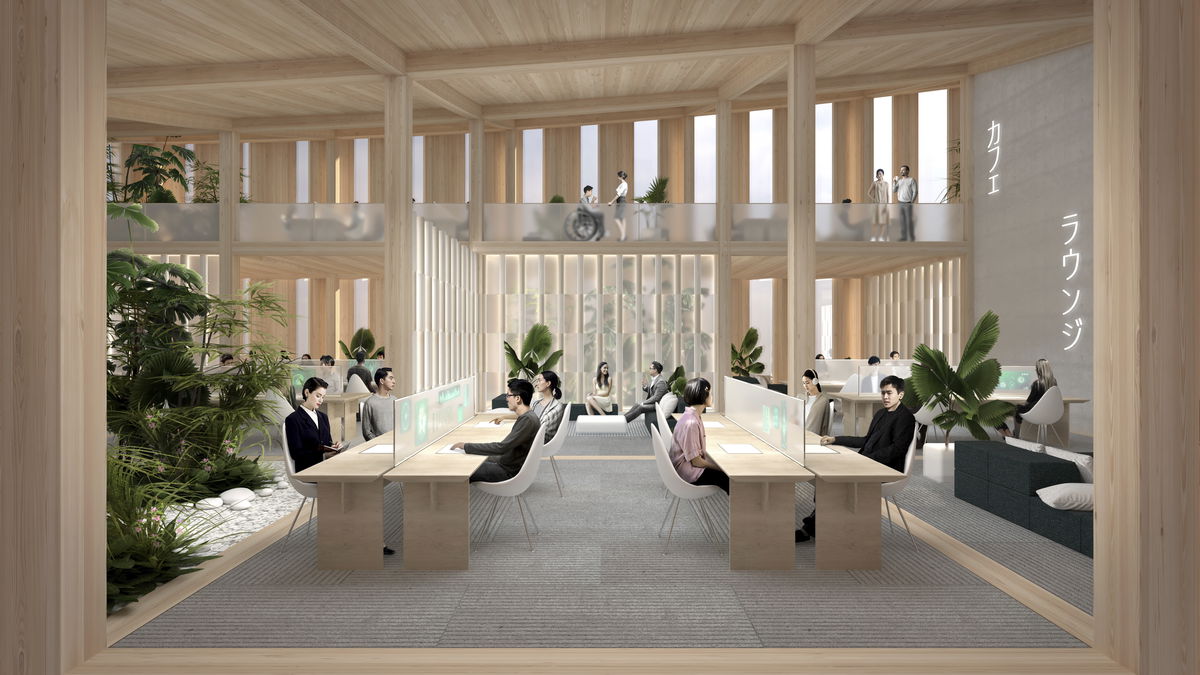
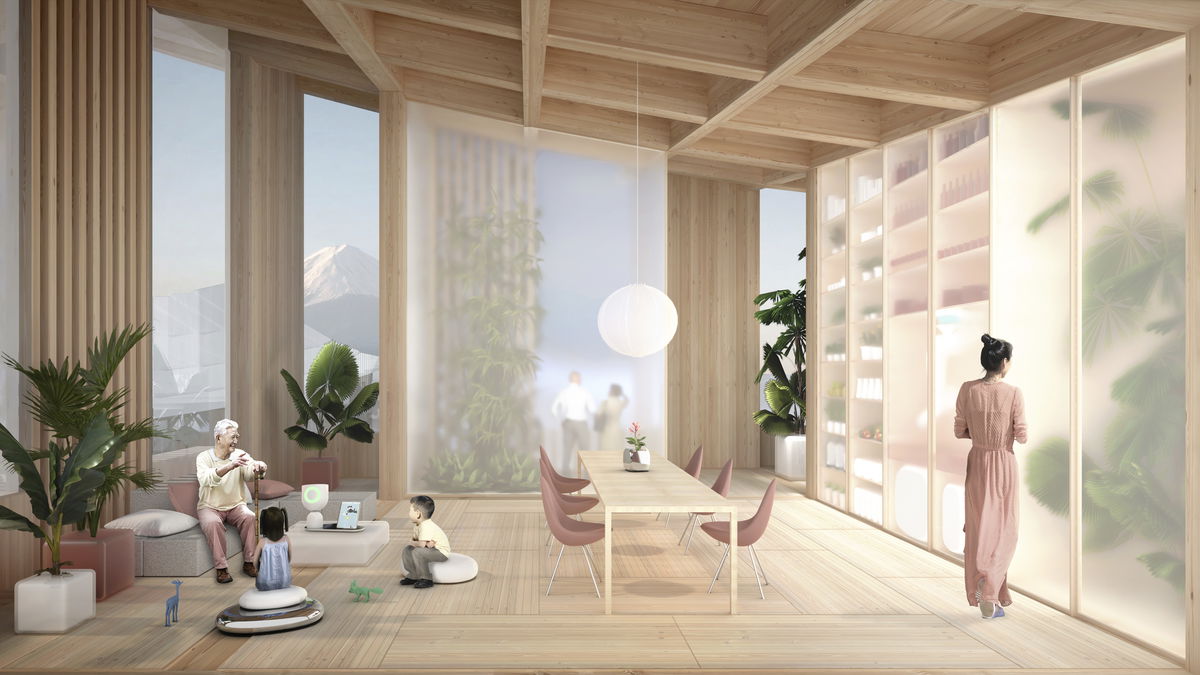
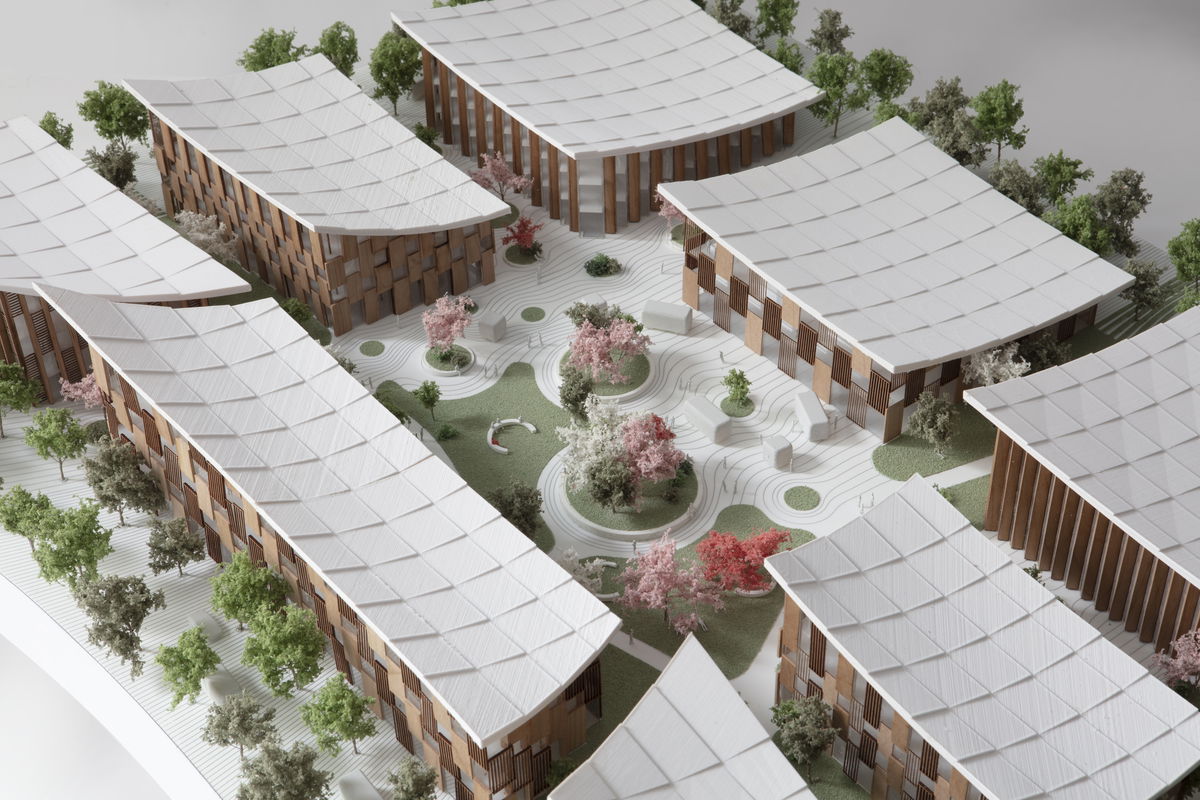
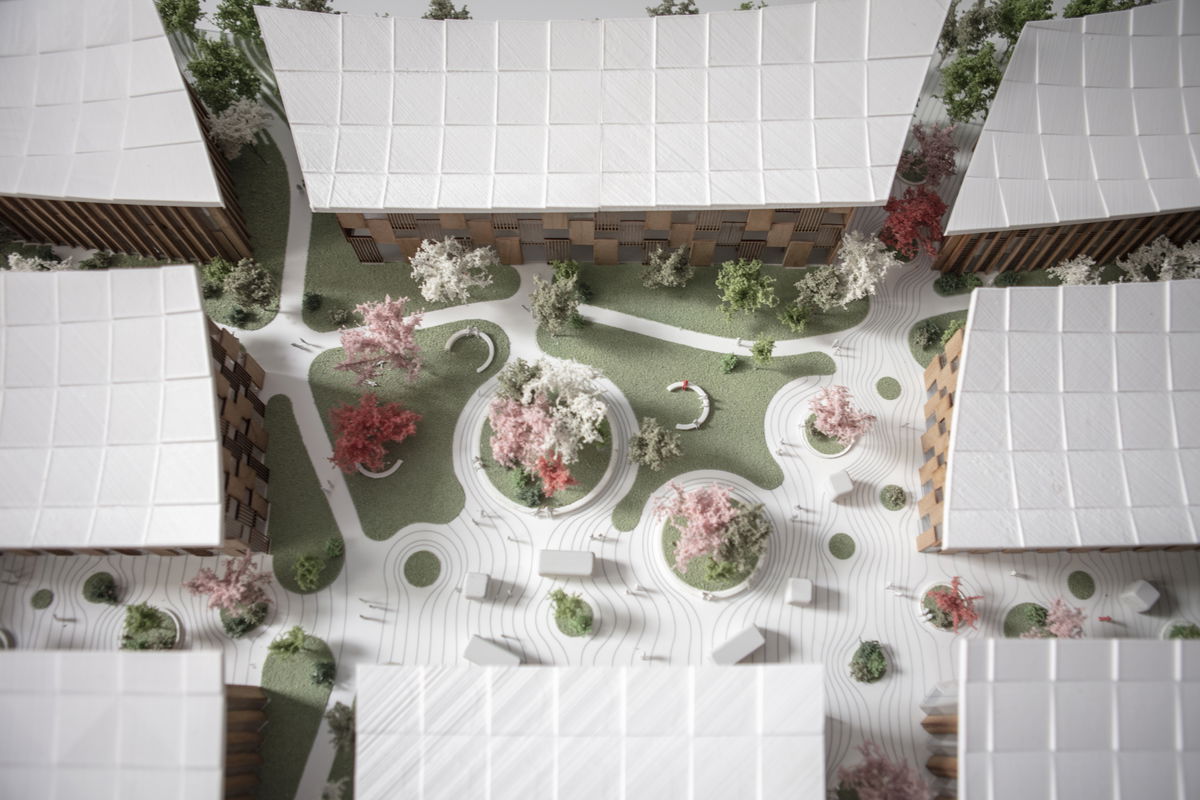
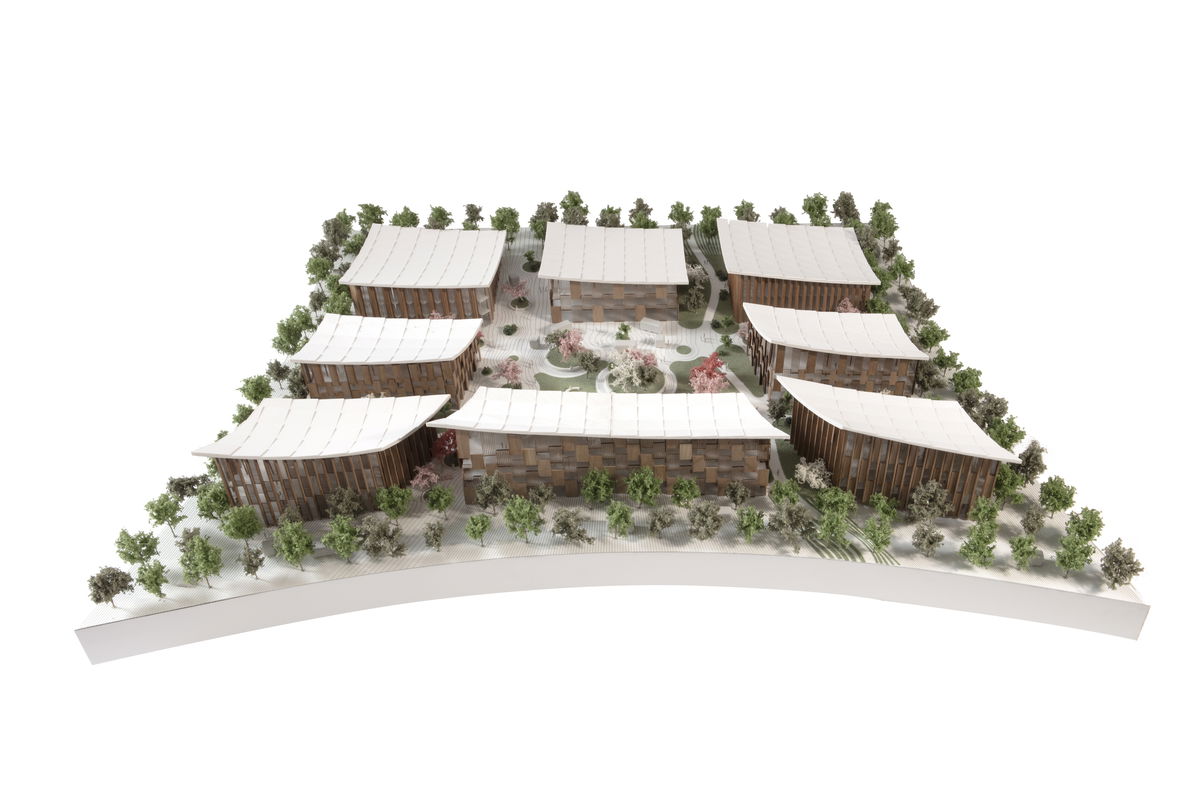
WOVEN BLOCK — The Woven City block becomes more porous than traditional city grids, offering a more human scale environment. The 3x3 typical module has eight building blocks around a central courtyard for pedestrian mobility to weave through.
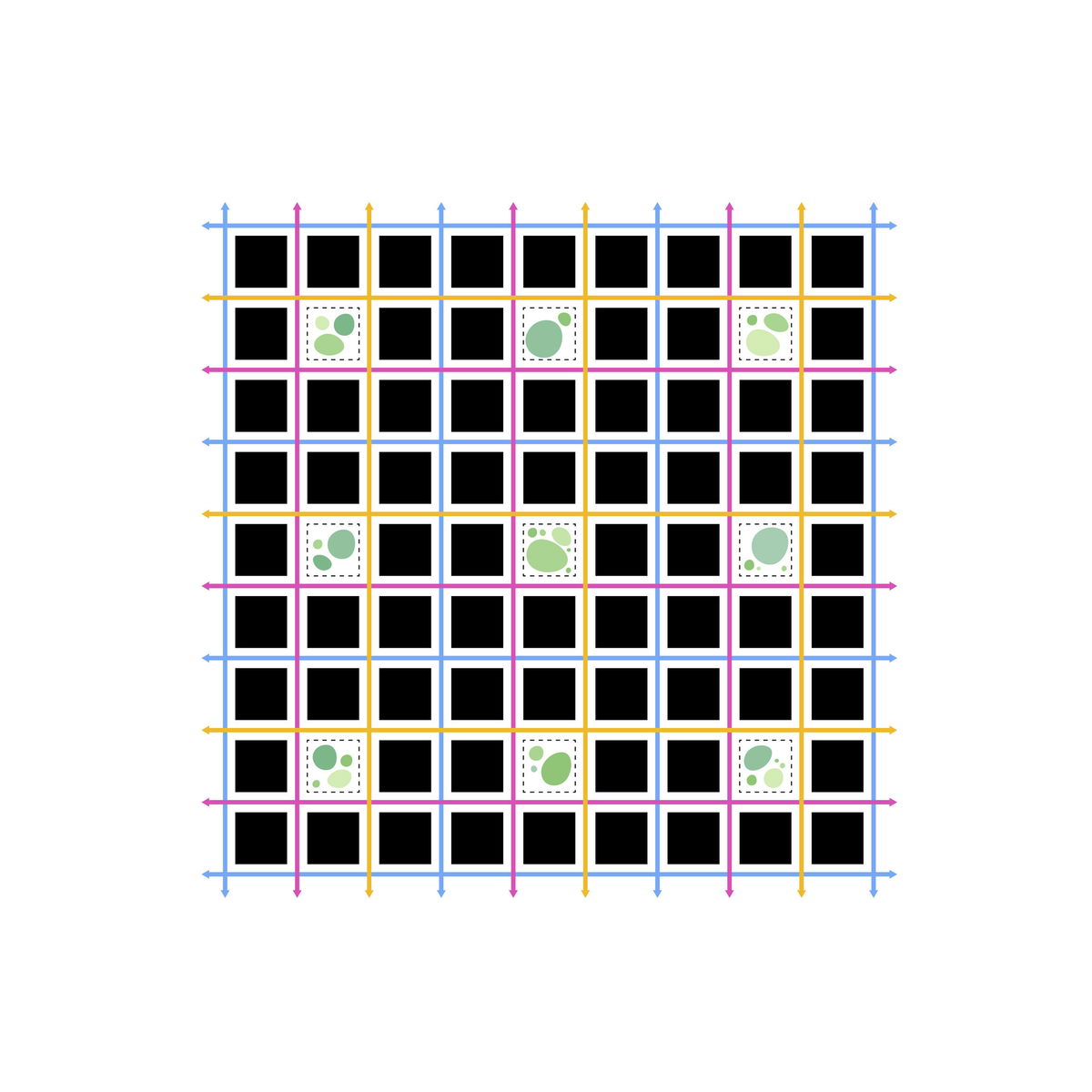
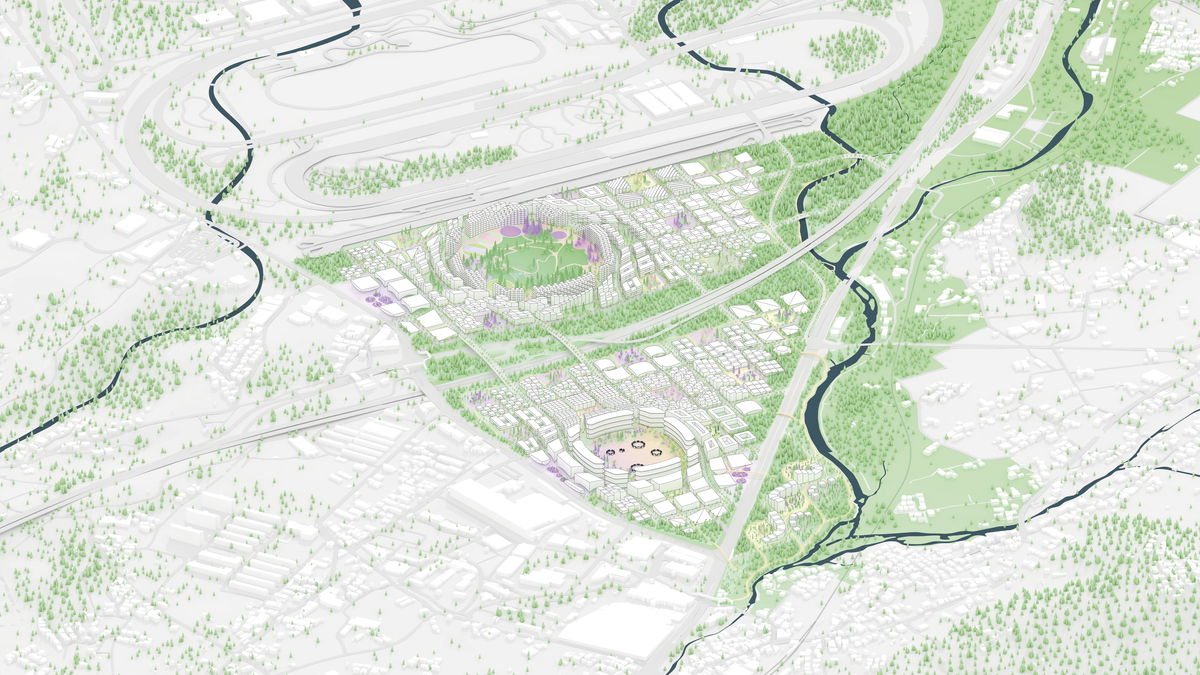
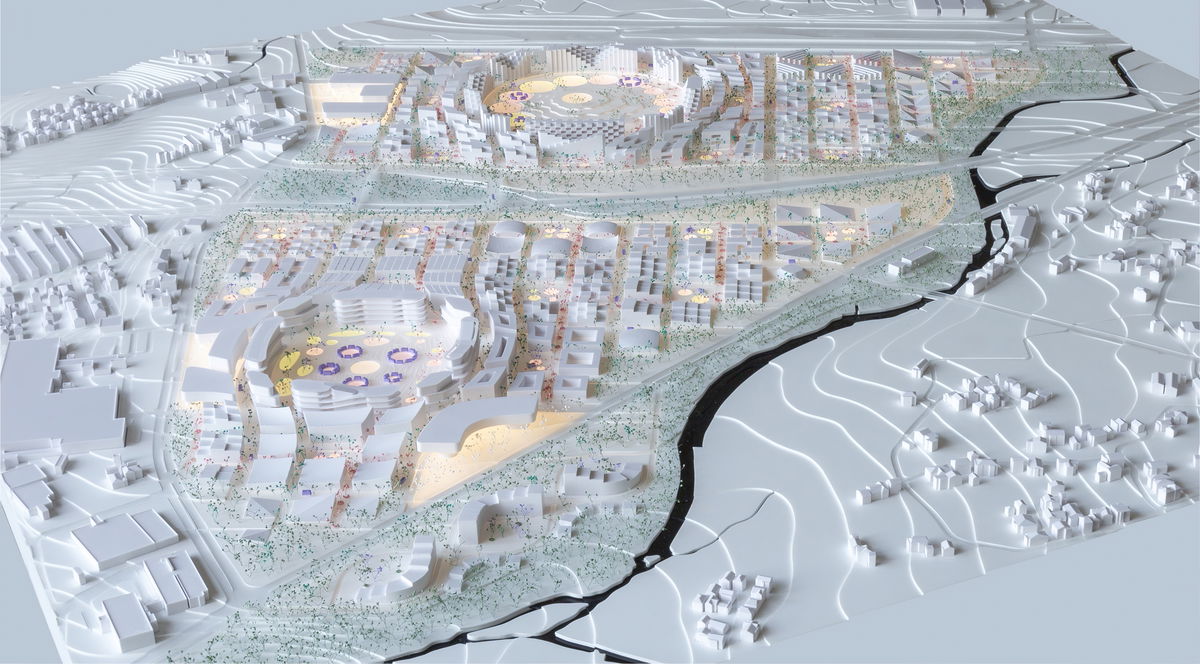
WOVEN CITY — The woven module can be replicated to form a city characterized by a variety of neighborhoods. Each district is connected by perimeter vehicular roads, pedestrian trails, and slow mobility networks.
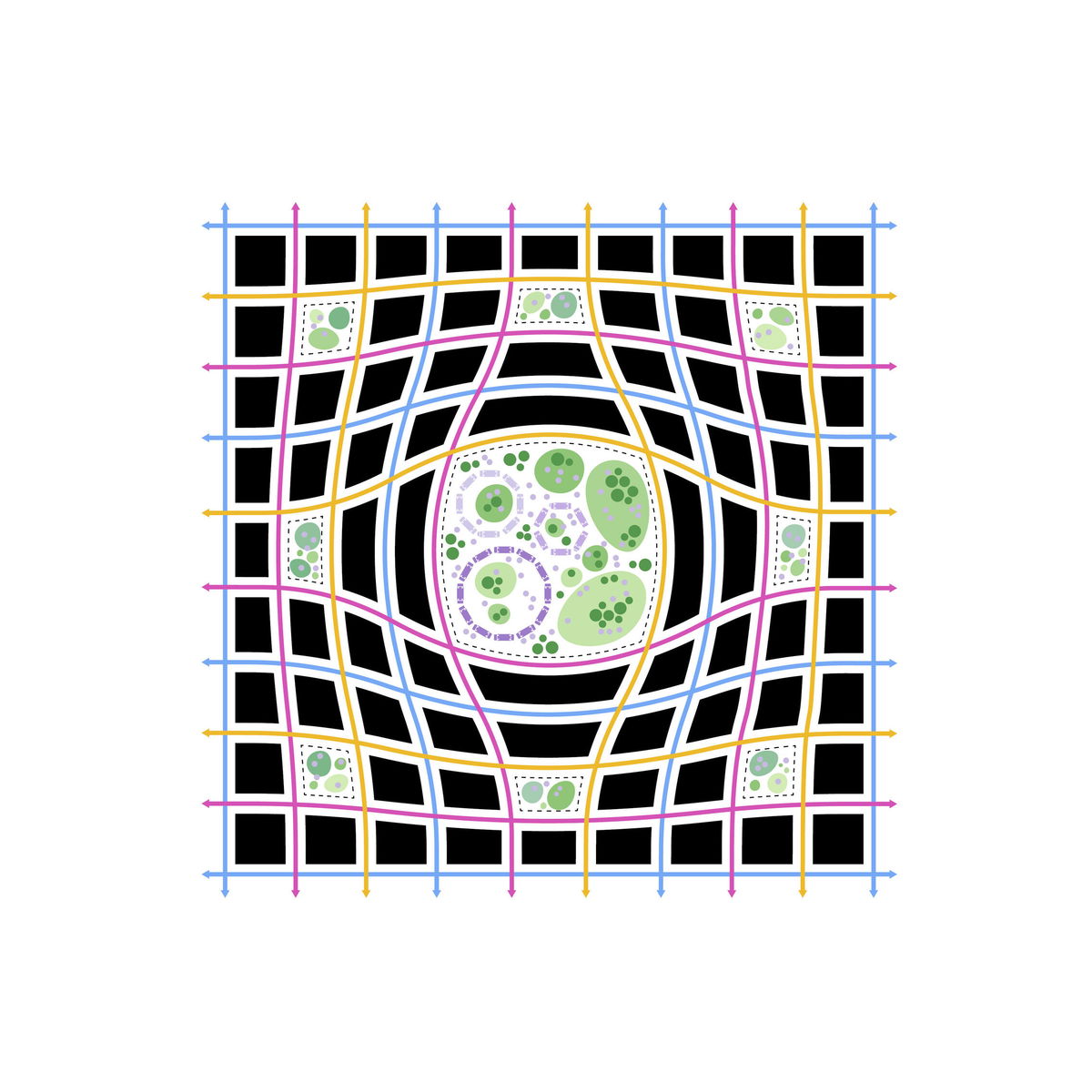
MAIN SQUARE — By distorting the grid, the central courtyard is enlarged to create a large plaza or park that can function as a city-wide public space.
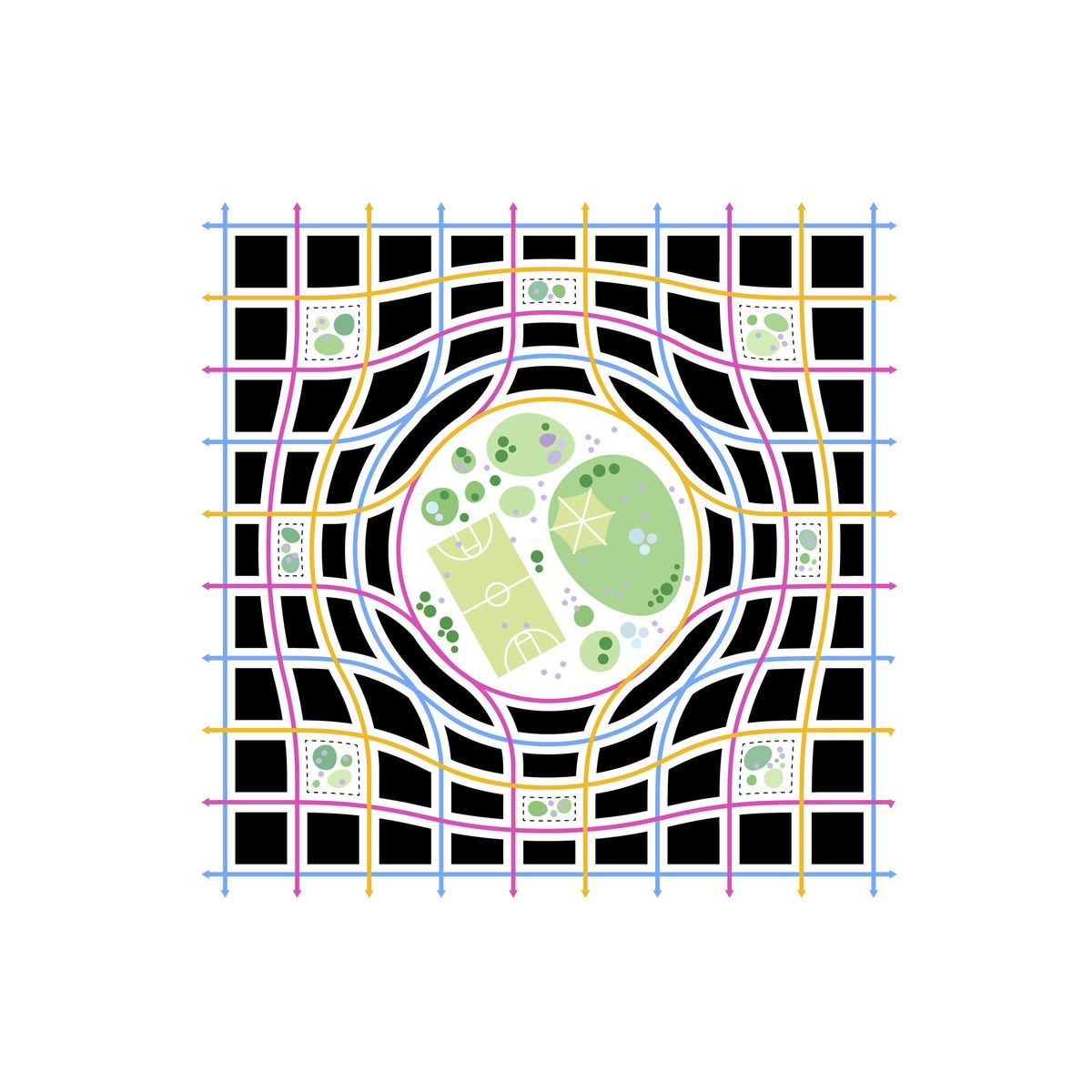
CENTRAL PARK — Thanks to the distortion, the woven grid system continues seamlessly throughout the whole city while accommodating a variety of scales, programs, and outdoor areas.

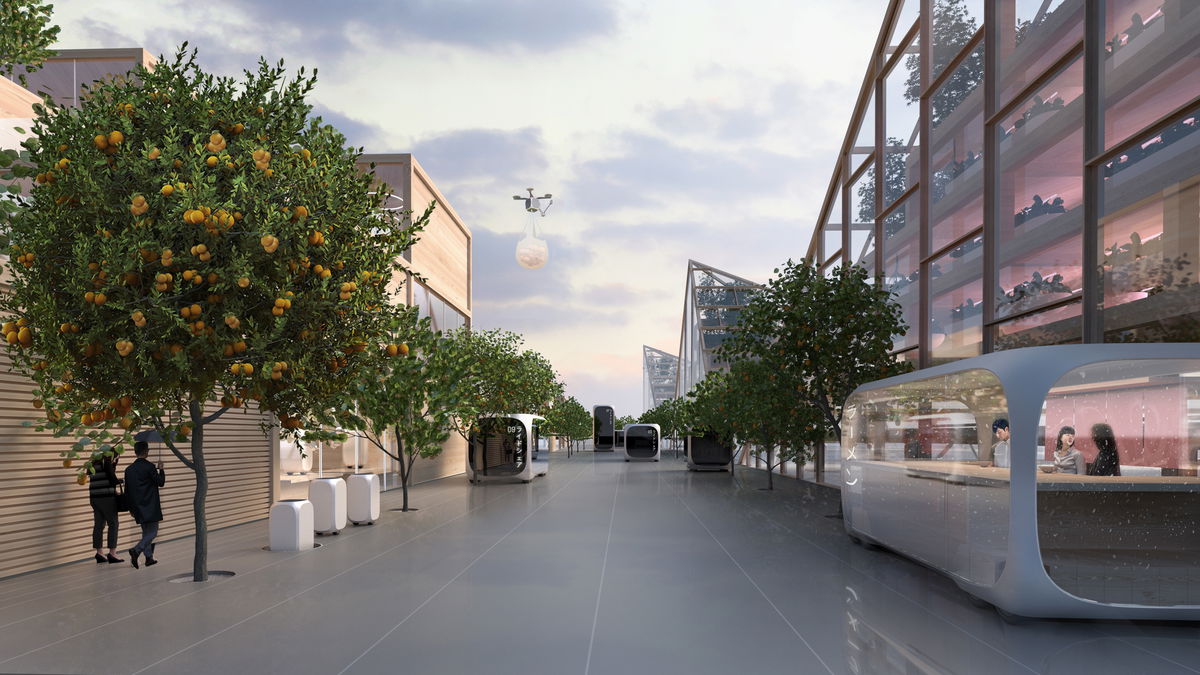

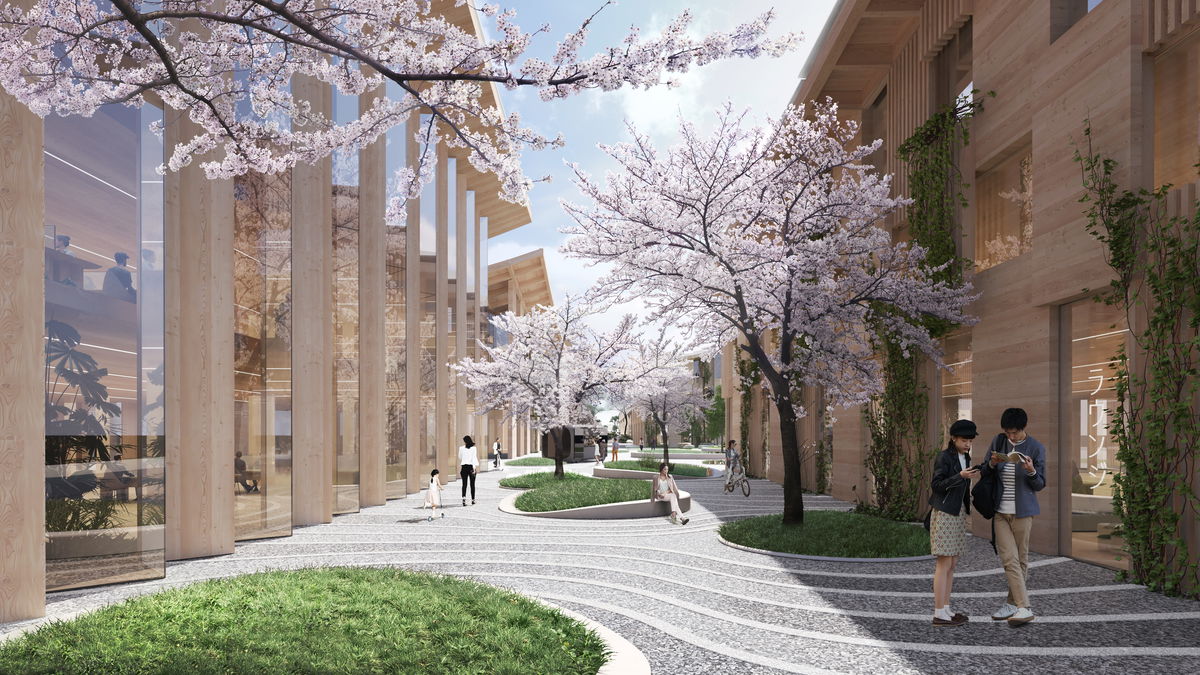
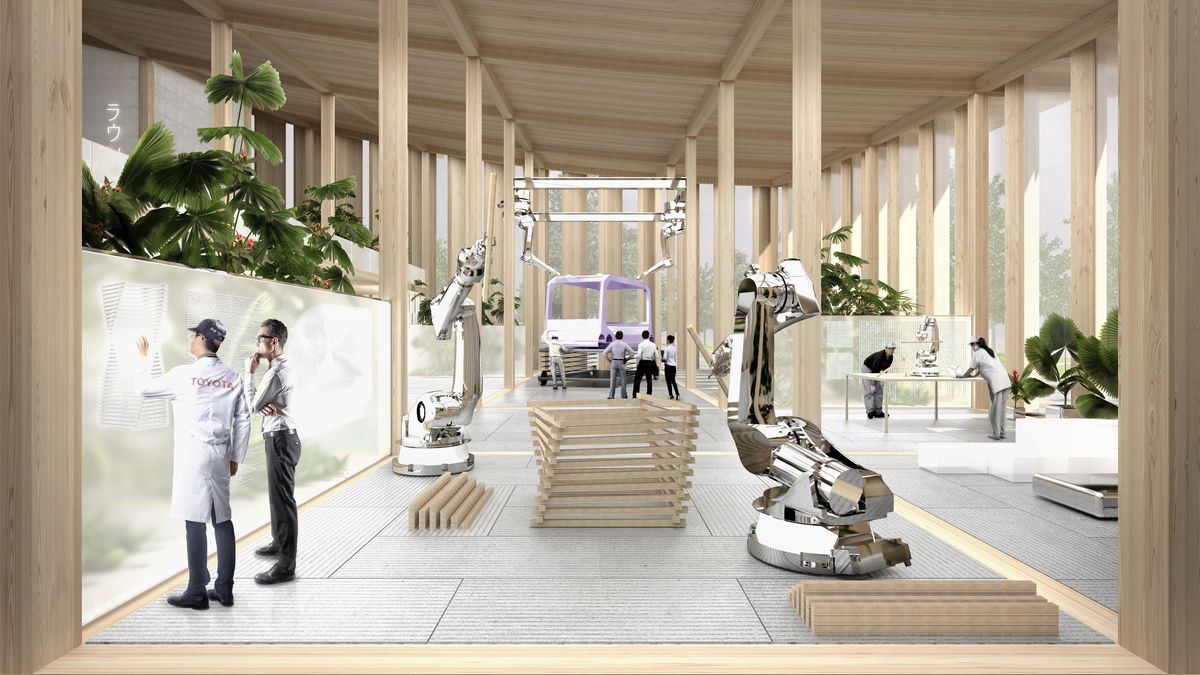
"A swarm of different technologies are beginning to radically change how we inhabit and navigate our cities. Connected, autonomous, emission-free, and shared, mobility solutions are bound to unleash a world of opportunities for new forms of urban life. With the breadth of technologies and industries that we have been able to access and collaborate with from the Toyota ecosystem of companies, we believe we have a unique opportunity to explore new forms of urbanity with the Woven City that could pave new paths for other cities to explore."Bjarke Ingels - Founder & Creative Director, BIG

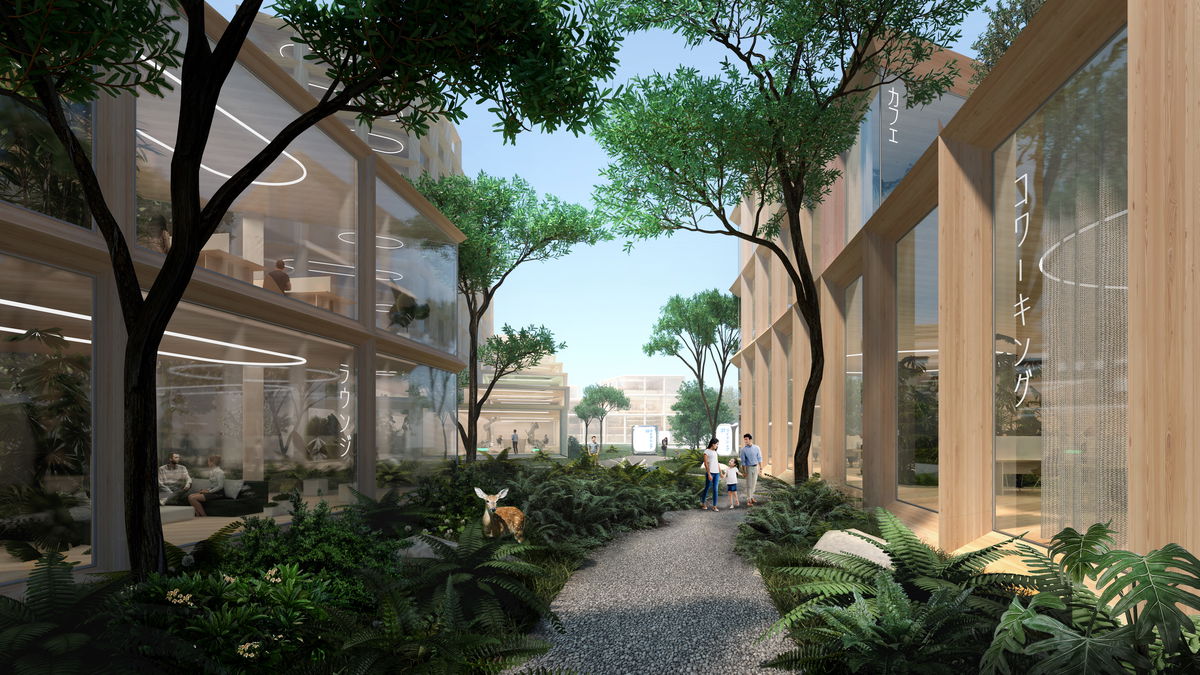

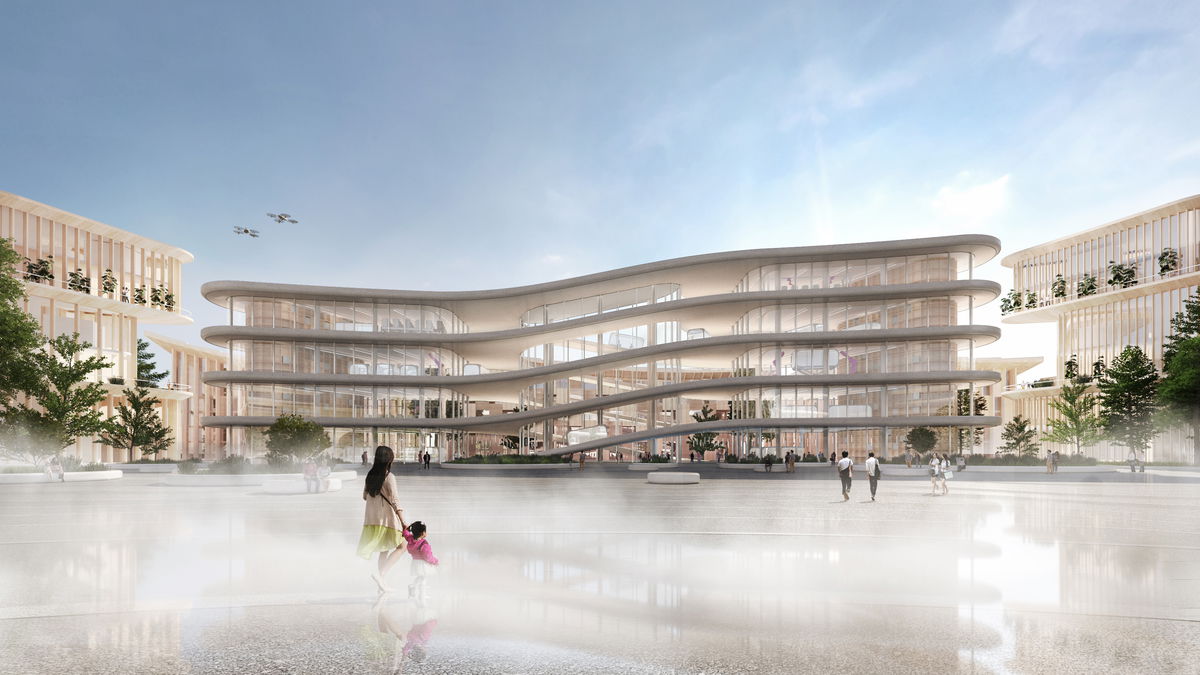
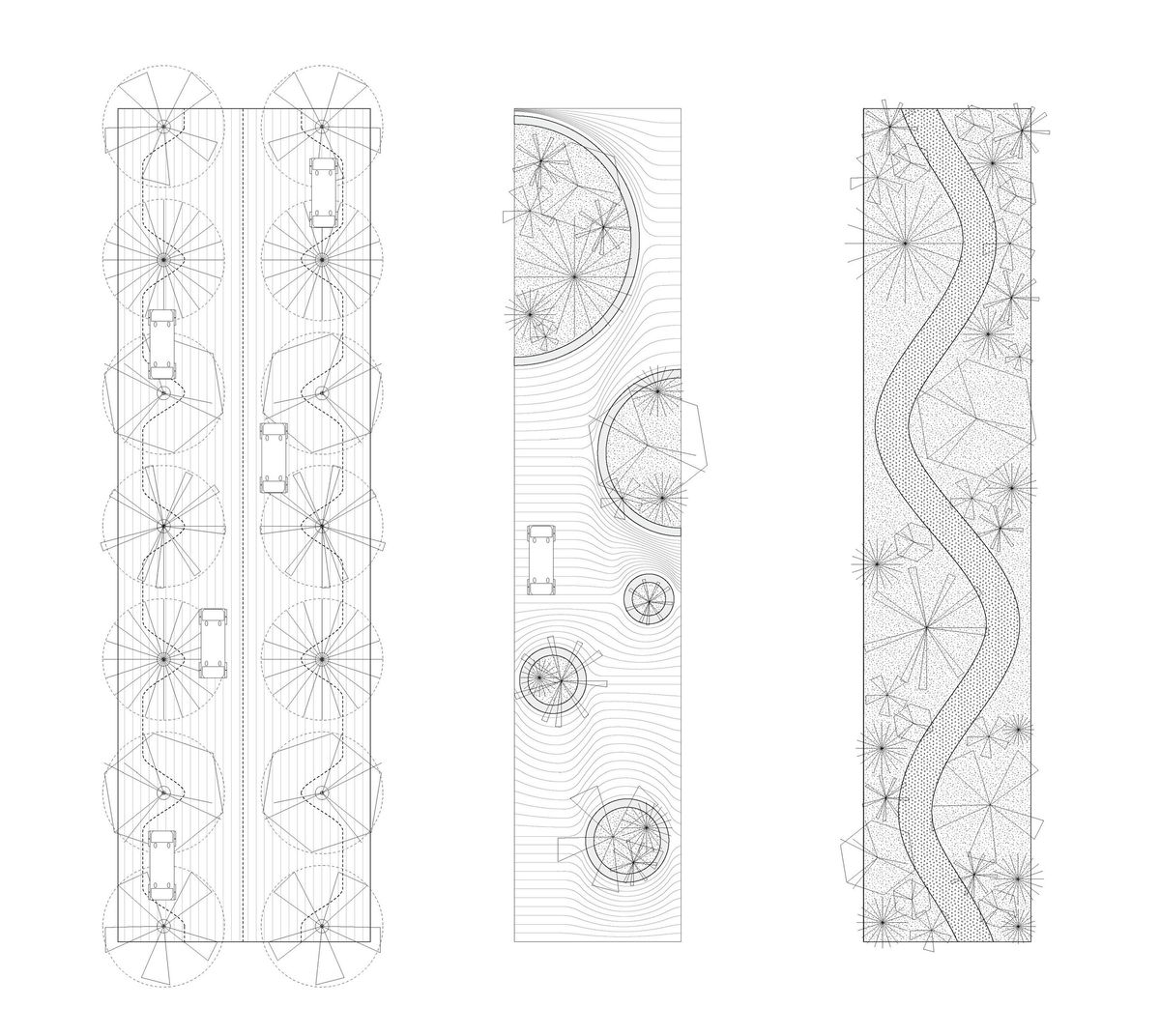
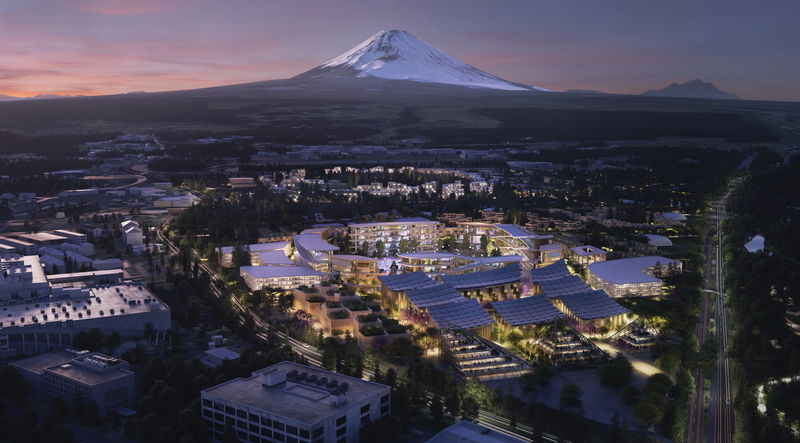
— The three street types are woven into 3×3 city blocks, each framing a courtyard accessible only via the promenade or linear park. The urban fabric of the woven grid expands and contracts to accommodate a variety of scales, programs, and outdoor areas. In one instance, a courtyard balloons to the scale of a large plaza, and in another becomes a central park, providing a city-wide amenity.

VEHICULAR ROAD
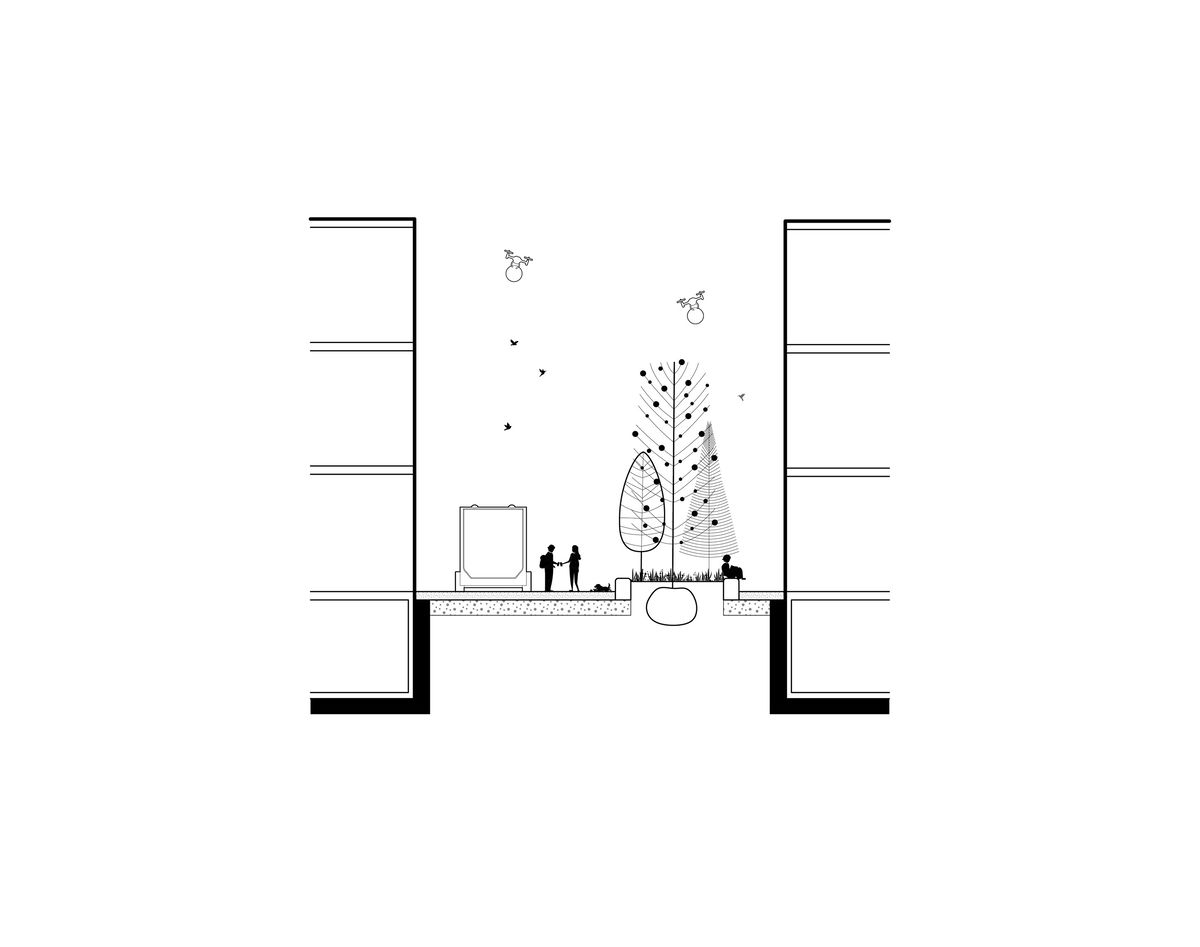
RECREATIONAL PROMENADE
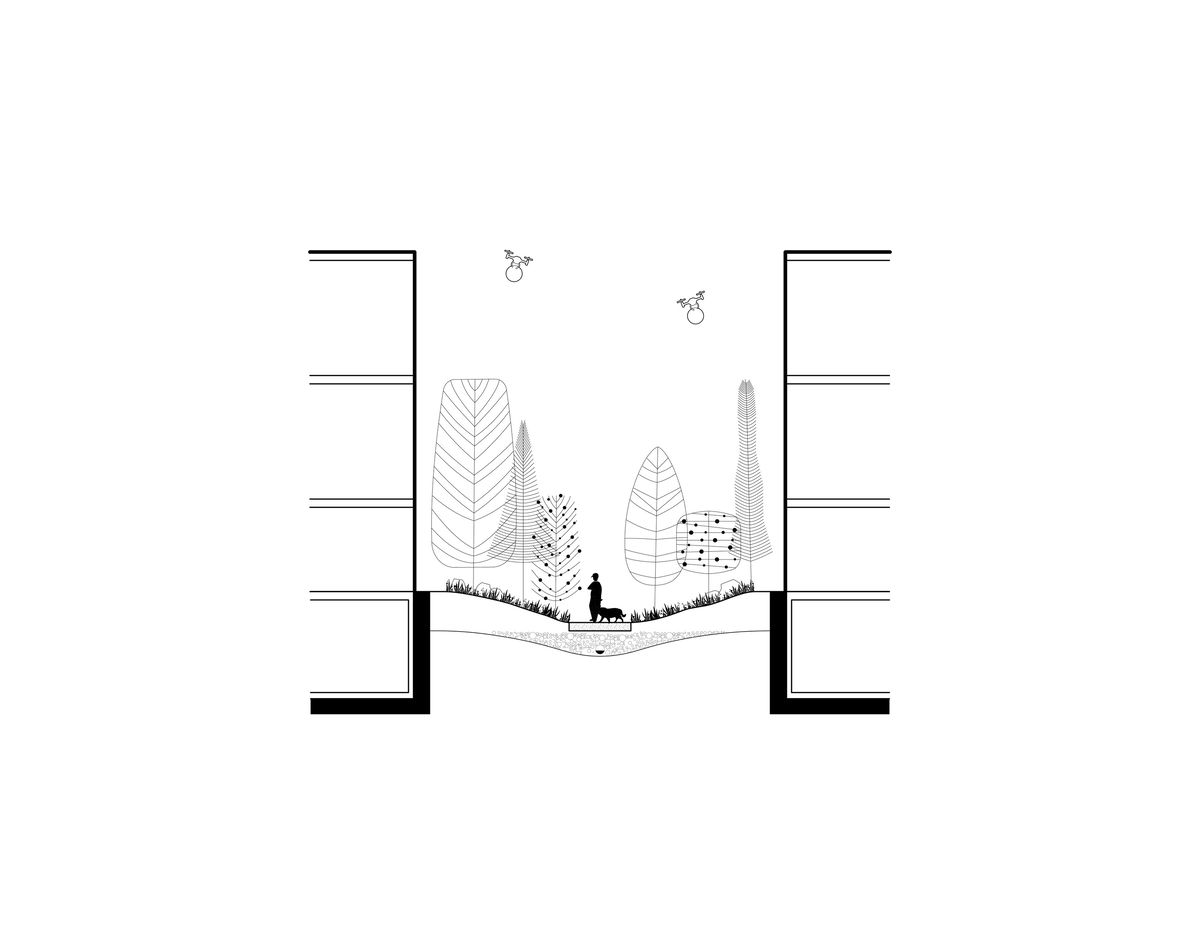
LINEAR PARK






Partner in Charge
Bjarke Ingels
Giulia Frittoli
Leon Rost
Project Manager
Yu Inamoto
Design Lead
Jason Wu
Pauline Lavie-Luong
Project Leader, Landscape
Jae Yoon Lee
Project Architect
Yumiko Matsubara
Project Team
Agla Egilsdottir
Agne Rapkeviciute
Ahmad Tabbakh
Alessandro Sciolari
Alexander Jacobson
Alvaro Velosa
Amanda Lima Soares Da Cunha
Amie Yao
Andrea Hektor
Andres Romero
Andy Coward
Anna Beatrice Maria Ambrosi
Bartłomiej Lew
Bell Cai
Ben Caldwell
Brandon Cappellari
Brian Zhang
Carlos Castillo
Christopher Pin
Cristina Medina-Gonzalez
Cullen Yoshihiko Fu
Daniel Sundlin
David Iseri
Duncan Horswill
Einat Lubliner
Fernanda Furuya
Fernando Longhi Pereira da Silva
Frederic Lucien Engasser
Gary Polk
Guillaume Evain
Hansen Zhu
Helen Herget
Isabella Marcotulli
James Donaldson
Jan Leenknegt
Jeffrey Shumaker
Jennifer Minjee Son
Jesper Kanstrup Petersen
Jialin Yuan
Jin Park
Joanne Chen
Jonathan Hein
Jose Lacruz Vela
Joseph Baisch
Kam Chi Cheng
Karim Daw
Kayeon Lee
Kelly Neill
Kristian Hindsberg
Lingyi Xu
Linqi Dong
Louise Mould
Lucia Sanchez Ramirez
Lucrezia Picinali
Mai Lee
Maki Matsubayashi
Margaret Tyrpa
Margherita Gistri
Melissa Jones
Minji Ha
Minjung Ku
Nasiq Khan
Nicolas Lapierre
Nouran Wael Mohamed Rashad Mohamed Sherif
Olga Khuraskina
Oliver Thomas
Olivia Ann Egeberg
Omar Mohamed Nabil Mohamed Saad Mowafy
Paul Johann Henrich Kohlhaussen
Pearl Cao
Pearlyn Mei Fen Chang
Pernille Uglvig Sangvin
Peter Andres Ehvert
Peter Sepassi
Raven Xu
Ryan Duval
Samantha Okolita
Sang Ha Jung
Seung Hyo Chang
Shane Dalke
Shuo Yang
Sille Foltinger
Sinam Hawro Yakoob
Soichiro Harada
Sungmin Kim
Tara Abedinitafreshi
Terrence Chew
Thomas McMurtrie
Tore Banke
Tracy Sodder
Tran Le
Valentino Gareri
Veronica Watson
Vi Madrazo
Wes Thompson
Will Chuanrui Yu
William Emil George Abdou
Xi Zhang
Xian Chen
Xingyue Huang
Xinyu Zhao
Xu Lian
Xuechen Kang
Yi Lun Yang
Yiqi Song
Youjin Rhee
Yushan Huang
Yuwei Yang
Awards
World Architecture Festival Smart City WAFx Award Winner, 2021
Collaborators
Kume Sekkei
Arup Japan
Placemedia
Sato Facilities
Nikken Sekkei
Squint/Opera Inc.
Mobility in Chain
Atelier Ten